


- Afhalen na 1 uur in een winkel met voorraad
- Gratis thuislevering in België vanaf € 30
- Ruim aanbod met 7 miljoen producten
- Afhalen na 1 uur in een winkel met voorraad
- Gratis thuislevering in België vanaf € 30
- Ruim aanbod met 7 miljoen producten





€ 69,45
+ 138 punten
Eenvoudig bestellen
Veilig betalen


Gratis thuislevering vanaf € 30 (via bpost)
Gratis levering in je Standaard Boekhandel
Omschrijving
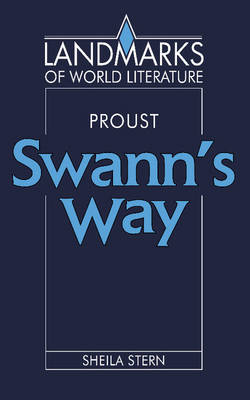
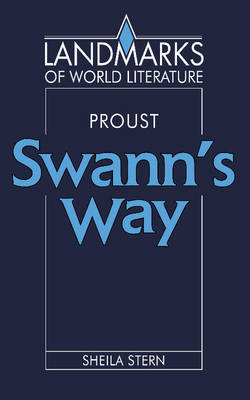
Swann's Way, published in 1913, is the first part of Proust's seven-part novel A la Recherche du temps perdu. The author's expansion, revision and correction of the work were cut short by his death in 1922, and sixty-six years later editors are still producing variants of the last three volumes based on working notebooks. The novel's structure was compared by its author to that of a cathedral, and its status is that of one of the greatest literary landmarks of the twentieth century. Sheila Stern's study begins with a summary of the whole novel and goes on to give an account of the activity of reading as part of its subject-matter. Two chapters are devoted to Swann's Way itself, with close attention to the opening pages, and to such topics as memory, time, imagery and names. The book's reception in various Western literatures is discussed, and there is a guide to further reading.
Specificaties
Betrokkenen
- Auteur(s):
- Uitgeverij:
Inhoud
- Aantal bladzijden:
- 148
- Taal:
- Engels
- Reeks:
Eigenschappen
- Productcode (EAN):
- 9780521315449
- Verschijningsdatum:
- 22/06/1989
- Uitvoering:
- Paperback
- Formaat:
- Trade paperback (VS)
- Afmetingen:
- 119 mm x 202 mm
- Gewicht:
- 172 g


Alleen bij Standaard Boekhandel
+ 138 punten op je klantenkaart van Standaard Boekhandel
CADEAU

AANGERADEN


Beoordelingen
We publiceren alleen reviews die voldoen aan de voorwaarden voor reviews. Bekijk onze voorwaarden voor reviews.