


- Afhalen na 1 uur in een winkel met voorraad
- Gratis thuislevering in België vanaf € 30
- Ruim aanbod met 7 miljoen producten
- Afhalen na 1 uur in een winkel met voorraad
- Gratis thuislevering in België vanaf € 30
- Ruim aanbod met 7 miljoen producten




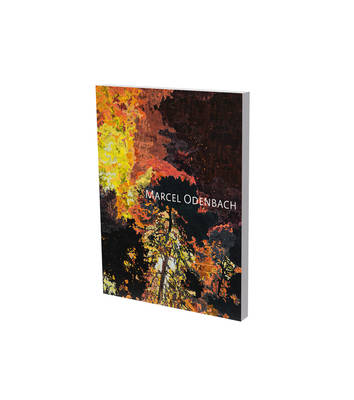
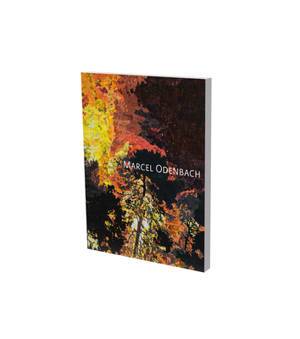
Marcel Odenbach: Es Brennt
Cat. Kunsthalle Nuremberg
Hans Dickel, Mirjam Zadoff, Ellen Seifermann
Paperback | Duits
€ 24,45
+ 48 punten
Omschrijving
Nichts ist so, wie es scheint!
Gerade erst hat sich die Nachricht verbreitet, dass Marcel Odenbach (*1953) den Wolfgang- Hahn-Preis 2021 erhält. Der kleine und einprägsame, zur aktuellen Ausstellung in der Kunsthalle Nürnberg erscheinende Katalog kommt da gerade recht, um die Gründe für die Preisvergabe zu illustrieren: Seit vielen Jahren zeigt sich der Künstler aus Köln weniger an der Eigenwirkung als vielmehr an seiner Um- und Mitwelt interessiert und bearbeitet mit seinen Zeichnungen, Collagen, Videos und Installationen Fragen der Identität im Kontext von Gender, Klasse und Geschlecht. Odenbach formt Werke, die durch ihre experimentelle Form und ihren theoretischen Hintergrund historische Zusammenhänge von Kolonialismus und Globalisierung genauso zum Thema machen wie die Macht des Normativen und der Repräsentation. Seit Mitte der 1970er-Jahre entwickelte Marcel Odenbach seine Bildsprache in Montagen und Uberblendungen von Film- und Fernsehmitschnitten, von Archivmaterial und selbst produzierten Bildern oder Filmsequenzen. Parallel zu den Videoarbeiten hat er immer gezeichnet, wodurch Entwürfe für Videoinstallationen entstanden sind, die allerdings auch als autonome Bild-Text-Kompositionen funktionieren. Die Spurensuche in den Archiven führte schnell zu umfangreichen Materialsammlungen, die Marcel Odenbach dann auch für großformatige Papierarbeiten in spezieller Collage- und Kopiertechnik heranzog. Das physische Ausreißen aus Magazinen, die Überblendung und Schichtung des Bild- und Filmmaterials aus unterschiedlichen Quellen und Zeitebenen erzeugen dabei stets neue Zusammenhänge zwischen subjektiver Erinnerung und dem kollektiven Bildgedächtnis.
Ausstellung:
Kunsthalle Nürnberg, 3/10/2020 10/1/2021
Specificaties
Betrokkenen
- Auteur(s):
- Uitgeverij:
Inhoud
- Aantal bladzijden:
- 120
- Taal:
- Duits
Eigenschappen
- Productcode (EAN):
- 9783864423345
- Verschijningsdatum:
- 13/09/2021
- Uitvoering:
- Paperback
- Formaat:
- Trade paperback (VS)
- Afmetingen:
- 159 mm x 216 mm
- Gewicht:
- 367 g


Alleen bij Standaard Boekhandel
+ 48 punten op je klantenkaart van Standaard Boekhandel
AANGERADEN


Beoordelingen
We publiceren alleen reviews die voldoen aan de voorwaarden voor reviews. Bekijk onze voorwaarden voor reviews.