


- Afhalen na 1 uur in een winkel met voorraad
- Gratis thuislevering in België vanaf € 30
- Ruim aanbod met 7 miljoen producten
- Afhalen na 1 uur in een winkel met voorraad
- Gratis thuislevering in België vanaf € 30
- Ruim aanbod met 7 miljoen producten




€ 254,45
+ 508 punten
Omschrijving
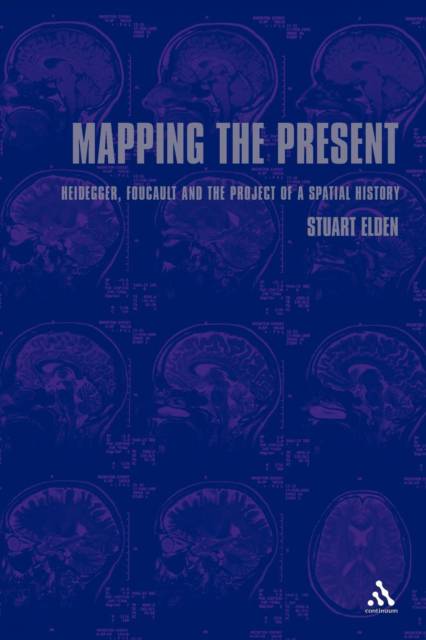
In a late interview, Foucault, suggested that Heidegger was for him the "essential philosopher." Taking this claim seriously, Mapping the Present assesses the relationship between these two thinkers, particularly on the issue of space and history. It suggests that space and history need to be rethought, and combined as a spatial history, rather than as a history of space. In other words, space should become not merely an object of analysis, but a tool of analysis.The first half of the book concentrates on Heidegger: from the early occlusion of space, through the politically charged readings of Nietzsche and Holderlin, to the later work on art, technology and the polis which accord equal status to issues of spatiality. Foucault's work is then rethought in the light of the analysis of Heidegger, and the project of a spatial history established through re-readings of his works on madness and discipline..
Specificaties
Betrokkenen
- Auteur(s):
- Uitgeverij:
Inhoud
- Aantal bladzijden:
- 232
- Taal:
- Engels
- Reeks:
Eigenschappen
- Productcode (EAN):
- 9780826458476
- Verschijningsdatum:
- 1/01/2002
- Uitvoering:
- Paperback
- Formaat:
- Trade paperback (VS)
- Afmetingen:
- 160 mm x 235 mm
- Gewicht:
- 358 g


Alleen bij Standaard Boekhandel
+ 508 punten op je klantenkaart van Standaard Boekhandel
AANGERADEN


Beoordelingen
We publiceren alleen reviews die voldoen aan de voorwaarden voor reviews. Bekijk onze voorwaarden voor reviews.