


- Afhalen na 1 uur in een winkel met voorraad
- Gratis thuislevering in België vanaf € 30
- Ruim aanbod met 7 miljoen producten
- Afhalen na 1 uur in een winkel met voorraad
- Gratis thuislevering in België vanaf € 30
- Ruim aanbod met 7 miljoen producten





€ 162,95
+ 325 punten
Uitvoering
Omschrijving
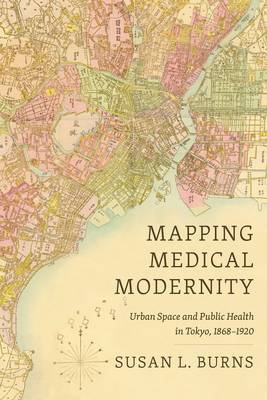
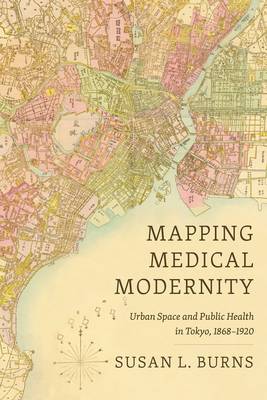
Mapping Medical Modernity explores the history of medical modernization and public health in late nineteenth- and early twentieth-century Tokyo, a city undergoing rapid transformation from the seat of power of the Tokugawa shoguns of the Edo period to the capital of a modern nation-state and its expanding empire in the Meiji period. Tracing the development of institutions and policies designed to improve medical care and public health in a dense urban environment, Susan L. Burns examines tensions between the involved parties--including doctors and policymakers, police and civil officials, residents and those who governed them--and provides case studies focused on three of the city's major challenges in public health: syphilis, cholera, and mental illness. Drawing upon a wide range of archival materials and contemporary accounts, Burns also employs geographic information system analysis in mapping the complicated relationships interlinking aspects of the urban environment, social life, public policy, and commercialized medical culture to demonstrate visually how policy decisions and medical capitalism gradually reshaped existing spatial arrangements in the city as well as the social relations that unfolded within them.
Specificaties
Betrokkenen
- Auteur(s):
- Uitgeverij:
Inhoud
- Aantal bladzijden:
- 328
- Taal:
- Engels
- Reeks:
Eigenschappen
- Productcode (EAN):
- 9780822948889
- Verschijningsdatum:
- 28/07/2026
- Uitvoering:
- Hardcover
- Formaat:
- Genaaid
- Afmetingen:
- 152 mm x 229 mm


Alleen bij Standaard Boekhandel
+ 325 punten op je klantenkaart van Standaard Boekhandel
Cadeau

AANGERADEN


Beoordelingen
We publiceren alleen reviews die voldoen aan de voorwaarden voor reviews. Bekijk onze voorwaarden voor reviews.