


- Afhalen na 1 uur in een winkel met voorraad
- Gratis thuislevering in België vanaf € 30
- Ruim aanbod met 7 miljoen producten
- Afhalen na 1 uur in een winkel met voorraad
- Gratis thuislevering in België vanaf € 30
- Ruim aanbod met 7 miljoen producten





€ 74,20
+ 148 punten
Omschrijving
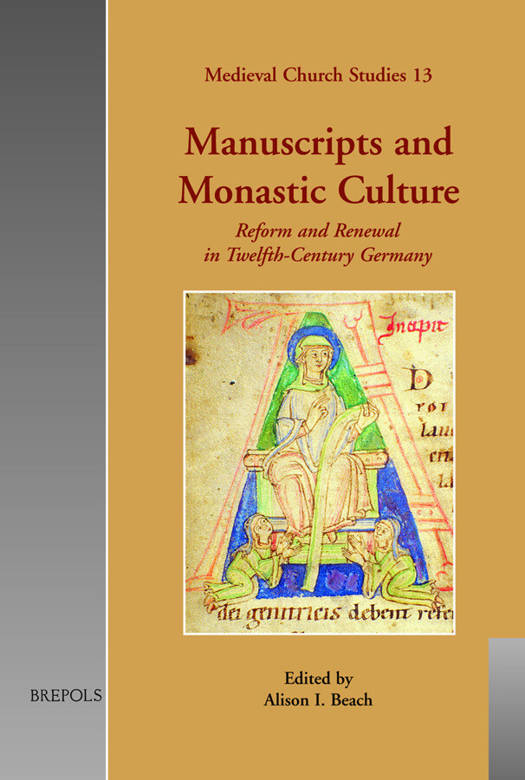
Each of the studies in this volume draws upon a manuscript, or a group of manuscripts, that shed light on the practice of monastic life during this period of reform. Many, but not all, of the papers focus on the monastery of Admont in central Austria. Admont was one of the most important spiritual, cultural, and intellectual centres in the high Middle Ages, and its magnificent library still houses an extensive collection of manuscripts - a rich resource both for the history of the monastery and for the broader history of medieval religious life. The book brings together the work of an international group of scholars whose work touches on various aspects of twelfth-century Admont, and the broader movement for reform and renewal in Germany and Austria. With the publication of Charles Homer Haskin's important work, The Renaissance of the Twelfth Century (1933), came a new way of looking at the civilization of the high Middle Ages. Scholars have since investigated many aspects of this revival: the rise of the universities, the development of canon law, the emergence (or re-emergence) of a heightened sense of human individuality, and the revival of religious fervour that has been labelled a reformation before the Reformation. Much of this scholarly work has focused on north-central Italy, France and England. Germany, however, has been little studied in this context, in part because the nature and trajectory of the reform there differed from that seen elsewhere in Europe. The essays in the book both explore connections between Germanic lands and the wider western European context, and consider the unique spiritual and intellectual climate of Germany's monasteries.
Specificaties
Betrokkenen
- Auteur(s):
- Uitgeverij:
Inhoud
- Aantal bladzijden:
- 361
- Taal:
- Engels
- Reeks:
- Reeksnummer:
- nr. 13
Eigenschappen
- Productcode (EAN):
- 9782503515281
- Verschijningsdatum:
- 29/03/2007
- Uitvoering:
- Hardcover
- Formaat:
- Genaaid
- Afmetingen:
- 172 mm x 246 mm
- Gewicht:
- 802 g


Alleen bij Standaard Boekhandel
+ 148 punten op je klantenkaart van Standaard Boekhandel
Cadeau

AANGERADEN


Beoordelingen
We publiceren alleen reviews die voldoen aan de voorwaarden voor reviews. Bekijk onze voorwaarden voor reviews.