


- Afhalen na 1 uur in een winkel met voorraad
- Gratis thuislevering in België vanaf € 30
- Ruim aanbod met 7 miljoen producten
- Afhalen na 1 uur in een winkel met voorraad
- Gratis thuislevering in België vanaf € 30
- Ruim aanbod met 7 miljoen producten





€ 305,45
+ 610 punten
Uitvoering
Omschrijving
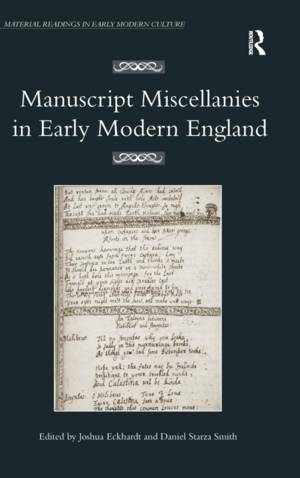
Perhaps more than any other kind of book, manuscript miscellanies require a complex and 'material' reading strategy. This collection of essays engages the renewed and expanding interest in early modern English miscellanies, anthologies, and other compilations. Manuscript Miscellanies in Early Modern England models and refines the study of these complicated collections. Several of its contributors question and redefine the terms we use to describe miscellanies and anthologies. Two senior scholars correct the misidentification of a scribe and, in so doing, uncover evidence of a Catholic, probably Jesuit, priest and community in a trio of manuscripts. Additional contributors show compilers interpreting, attributing, and arranging texts, as well as passively accepting others' editorial decisions. While manuscript verse miscellanies remain appropriately central to the collection, several essays also involve print and prose, ranging from letters to sermons and even political prophesies. Using extensive textual and bibliographical evidence, the collection offers stimulating new readings of literature, politics, and religion in the early modern period, and promises to make important interventions in academic studies of the history of the book.
Specificaties
Betrokkenen
- Auteur(s):
- Uitgeverij:
Inhoud
- Aantal bladzijden:
- 272
- Taal:
- Engels
- Reeks:
Eigenschappen
- Productcode (EAN):
- 9781472420275
- Verschijningsdatum:
- 19/08/2014
- Uitvoering:
- Hardcover
- Formaat:
- Genaaid
- Afmetingen:
- 156 mm x 234 mm
- Gewicht:
- 557 g


Alleen bij Standaard Boekhandel
+ 610 punten op je klantenkaart van Standaard Boekhandel

Beoordelingen
We publiceren alleen reviews die voldoen aan de voorwaarden voor reviews. Bekijk onze voorwaarden voor reviews.