


- Afhalen na 1 uur in een winkel met voorraad
- Gratis thuislevering in België vanaf € 30
- Ruim aanbod met 7 miljoen producten
- Afhalen na 1 uur in een winkel met voorraad
- Gratis thuislevering in België vanaf € 30
- Ruim aanbod met 7 miljoen producten





€ 49,95
+ 99 punten
Uitvoering
Omschrijving
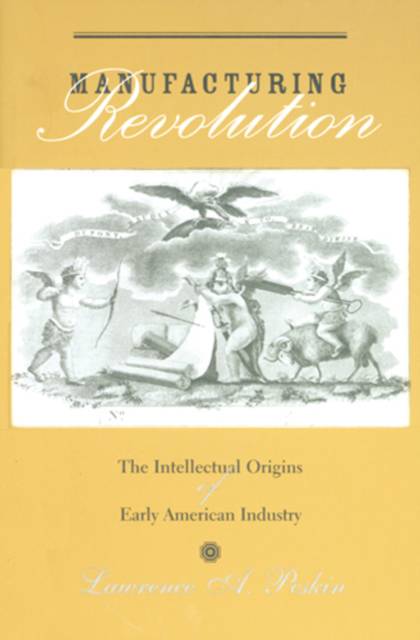
Lawrence A. Peskin argues that, in accounting for American industrialization, students of the phenomenon have focused mistakenly on large forces and theoretical constructs and on New England and the rise of factories as such. What, he asks, of the ordinary people who considered making things and building shops or small factories to meet the demand they saw? What of the groups and associations that tried to build public support for economic independence from the mother country? "Manufacturing Revolution" explores discussions originating in the Revolutionary era and the course of manufacturing itself-the many years of trial and error, risk and failure, in many places across the early republic. Peskin thus provides a detailed look at labor relations, entrepreneurship, and methods of promoting and financing manufactures. He finds that various social layers had mutual interests and influences; no particular core of business leaders, rising entrepreneurial artisans, or wage laborers alone account for the emergence of manufacturing. The work builds on solid research in both manuscript sources and printed texts from the period between 1750 and 1820. Audience: Historians of the early republic; economic historians; students of technology, business, and industry
Specificaties
Betrokkenen
- Auteur(s):
- Uitgeverij:
Inhoud
- Aantal bladzijden:
- 312
- Taal:
- Engels
- Reeks:
Eigenschappen
- Productcode (EAN):
- 9780801887505
- Verschijningsdatum:
- 1/11/2007
- Uitvoering:
- Paperback
- Formaat:
- Trade paperback (VS)
- Afmetingen:
- 152 mm x 229 mm
- Gewicht:
- 458 g


Alleen bij Standaard Boekhandel
+ 99 punten op je klantenkaart van Standaard Boekhandel
Cadeau

AANGERADEN


Beoordelingen
We publiceren alleen reviews die voldoen aan de voorwaarden voor reviews. Bekijk onze voorwaarden voor reviews.