



- Afhalen na 1 uur in een winkel met voorraad
- In januari gratis thuislevering in België
- Ruim aanbod met 7 miljoen producten
- Afhalen na 1 uur in een winkel met voorraad
- In januari gratis thuislevering in België
- Ruim aanbod met 7 miljoen producten





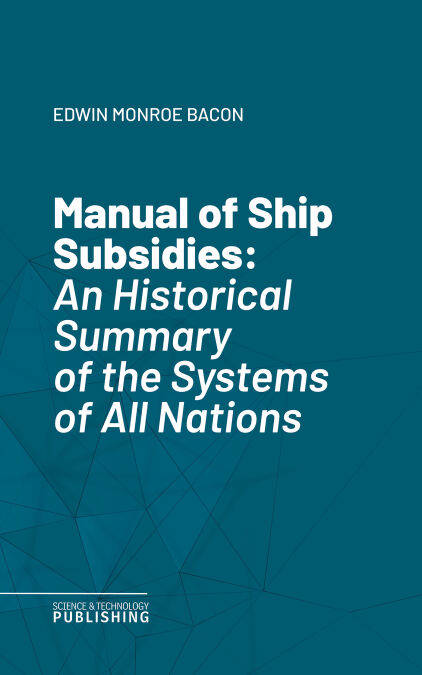
Manual of Ship Subsidies E-BOOK
An Historical Summary of the Systems of All Nations
Edwin Monroe Bacon
E-book | Engels
€ 19,99
+ 19 punten
Omschrijving
Manual of Ship Subsidies: An Historical Summary of the Systems of All Nations is a comprehensive and meticulously researched work by Edwin M. Bacon, offering an in-depth exploration of the development, implementation, and impact of ship subsidy systems across the globe. This authoritative volume traces the evolution of government support for merchant shipping from ancient times through the early twentieth century, examining the economic, political, and strategic motivations behind various national policies. Bacon provides detailed accounts of the subsidy systems employed by leading maritime nations—including Great Britain, France, Germany, Italy, Japan, and the United States—highlighting the unique approaches, legislative frameworks, and outcomes in each case. The book delves into the debates surrounding the effectiveness and fairness of subsidies, the influence of commercial and military interests, and the broader implications for international trade and naval power. Drawing on official documents, historical records, and contemporary analysis, Manual of Ship Subsidies serves as an invaluable resource for historians, economists, policymakers, and anyone interested in the interplay between government intervention and maritime commerce. With its thorough documentation and global perspective, this work remains a foundational reference for understanding the historical context and ongoing relevance of ship subsidies in shaping the world’s shipping industries.
Specificaties
Betrokkenen
- Auteur(s):
- Uitgeverij:
Inhoud
- Taal:
- Engels
Eigenschappen
- Productcode (EAN):
- 9782528101766
- Verschijningsdatum:
- 31/08/2025
- Uitvoering:
- E-book
- Formaat:
- ePub


Alleen bij Standaard Boekhandel
+ 19 punten op je klantenkaart van Standaard Boekhandel
Cadeau

AANGERADEN


Beoordelingen
We publiceren alleen reviews die voldoen aan de voorwaarden voor reviews. Bekijk onze voorwaarden voor reviews.