


- Afhalen na 1 uur in een winkel met voorraad
- Gratis thuislevering in België vanaf € 30
- Ruim aanbod met 7 miljoen producten
- Afhalen na 1 uur in een winkel met voorraad
- Gratis thuislevering in België vanaf € 30
- Ruim aanbod met 7 miljoen producten





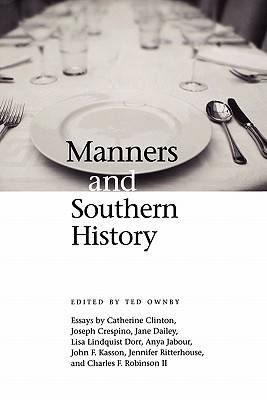
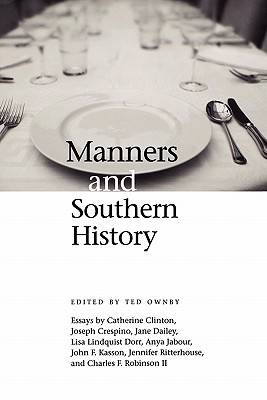
Manners and Southern History
€ 59,45
+ 118 punten
Omschrijving
Essays questioning the role of etiquette in the South The concept of southern manners may evoke images of debutantes being introduced to provincial society or it might conjure thoughts of the humiliating behavior white supremacists expected of African Americans under Jim Crow. The essays in Manners and Southern History analyze these topics and more. Scholars here investigate the myriad ways in which southerners from the Civil War through the civil rights movement understood manners. Contributors write about race, gender, power, and change. Essays analyze the ways southern white women worried about how to manage anger during the Civil War, the complexities of trying to enforce certain codes of behavior under segregation, and the controversy of college women's dating lives in the raucous 1920s. Writers study the background and meaning of Mardi Gras parades and debutante balls, the selective enforcement of antimiscegenation laws, and arguments over the form that opposition to desegregation should take. Concluding essays by Jane Dailey and John F. Kasson summarize and critique the other articles and offer a broader picture of the role that manners played in the social history of the South. Essays by Catherine Clinton, Joseph Crespino, Jane Dailey, Lisa Lindquist Dorr, Anya Jabour, John F. Kasson, Jennifer Ritterhouse, and Charles F. Robinson II Ted Ownby teaches history and southern studies at the University of Mississippi.
Specificaties
Betrokkenen
- Uitgeverij:
Inhoud
- Aantal bladzijden:
- 186
- Taal:
- Engels
- Reeks:
Eigenschappen
- Productcode (EAN):
- 9781617030406
- Verschijningsdatum:
- 21/02/2011
- Uitvoering:
- Paperback
- Formaat:
- Trade paperback (VS)
- Afmetingen:
- 152 mm x 229 mm
- Gewicht:
- 281 g

Alleen bij Standaard Boekhandel
+ 118 punten op je klantenkaart van Standaard Boekhandel
CADEAU


Beoordelingen
We publiceren alleen reviews die voldoen aan de voorwaarden voor reviews. Bekijk onze voorwaarden voor reviews.