


- Afhalen na 1 uur in een winkel met voorraad
- Gratis thuislevering in België vanaf € 30
- Ruim aanbod met 7 miljoen producten
- Afhalen na 1 uur in een winkel met voorraad
- Gratis thuislevering in België vanaf € 30
- Ruim aanbod met 7 miljoen producten





€ 192,45
+ 384 punten
Uitvoering
Eenvoudig bestellen
Veilig betalen


Gratis thuislevering vanaf € 30 (via bpost)
Gratis levering in je Standaard Boekhandel
Omschrijving
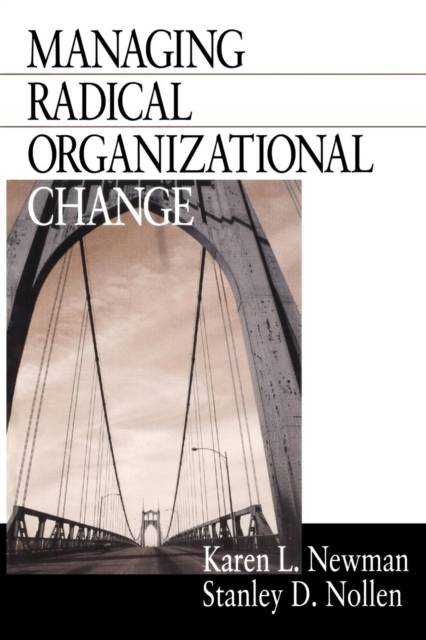
One of the opportunities presented by the breakup of the former Soviet Union is that organizational science scholars have been able to study radical changes companies must make in order to adapt to different economic and social goals. Authors Karen L. Newman and Stanley D. Nollen had the opportunity to examine in depth how companies in central Europe (Poland, Hungary, Slovakia, and the Czech Republic) made the unprecedented move from a centrally planned system to a market economy. They present the results of that analysis in Managing Radical Organizational Change along with new theory they have developed about managing radical organizational changes. In addition, they provide a framework and practical guidelines that will help current and future international business leaders manage change more effectively. The book provides rich case histories of companies in transition. Seven of these cases appear in the appendix and are suitable for use as stand-alone cases in am MBA-level or executive development courses. The primary audience for Managing Radical Organizational Change includes scholars and advanced student studying organizational change and international business. A secondary audience exists in executive development courses that focus on business in central and eastern Europe.
Specificaties
Betrokkenen
- Auteur(s):
- Uitgeverij:
Inhoud
- Aantal bladzijden:
- 392
- Taal:
- Engels
Eigenschappen
- Productcode (EAN):
- 9780761909347
- Verschijningsdatum:
- 9/07/1998
- Uitvoering:
- Paperback
- Formaat:
- Trade paperback (VS)
- Afmetingen:
- 170 mm x 216 mm
- Gewicht:
- 635 g



Alleen bij Standaard Boekhandel
+ 384 punten op je klantenkaart van Standaard Boekhandel
CADEAU

AANGERADEN


Beoordelingen
We publiceren alleen reviews die voldoen aan de voorwaarden voor reviews. Bekijk onze voorwaarden voor reviews.