


- Afhalen na 1 uur in een winkel met voorraad
- Gratis thuislevering in België vanaf € 30
- Ruim aanbod met 7 miljoen producten
- Afhalen na 1 uur in een winkel met voorraad
- Gratis thuislevering in België vanaf € 30
- Ruim aanbod met 7 miljoen producten





€ 201,45
+ 402 punten
Uitvoering
Omschrijving
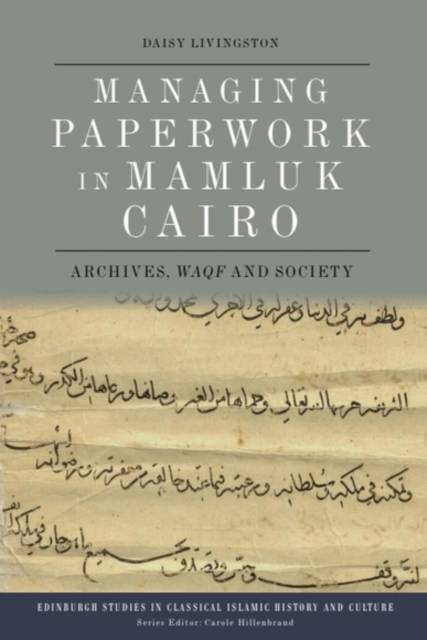
Archives are not only sources for history but have their own histories too, which shape how historians can tell stories of the past. This book explores the archival history of one of the most powerful polities of the late-medieval Middle East: the 'Mamluk' sultanate of Cairo. Relying on surviving original documents, it focuses on archival practices connected to waqf, the pious endowments that became one of the characteristic features of late-medieval Islamic societies. By centring a close exploration of documents connected to processes of endowment and property exchange, this book sheds light on a startling culture of document accumulation that was shared by the diverse social groups involved in founding and managing endowments: sultans and emirs, qadis, legal notaries, and scribes. Emphasising the documents' life cycles from production, to preservation, to disposal and loss, it argues for the use of surviving documents to tell their own archival histories.
Specificaties
Betrokkenen
- Auteur(s):
- Uitgeverij:
Inhoud
- Aantal bladzijden:
- 336
- Taal:
- Engels
- Reeks:
Eigenschappen
- Productcode (EAN):
- 9781474492263
- Verschijningsdatum:
- 31/05/2025
- Uitvoering:
- Hardcover
- Formaat:
- Genaaid
- Afmetingen:
- 156 mm x 234 mm
- Gewicht:
- 648 g


Alleen bij Standaard Boekhandel
+ 402 punten op je klantenkaart van Standaard Boekhandel
Cadeau

AANGERADEN


Beoordelingen
We publiceren alleen reviews die voldoen aan de voorwaarden voor reviews. Bekijk onze voorwaarden voor reviews.