


- Afhalen na 1 uur in een winkel met voorraad
- Gratis thuislevering in België vanaf € 30
- Ruim aanbod met 7 miljoen producten
- Afhalen na 1 uur in een winkel met voorraad
- Gratis thuislevering in België vanaf € 30
- Ruim aanbod met 7 miljoen producten





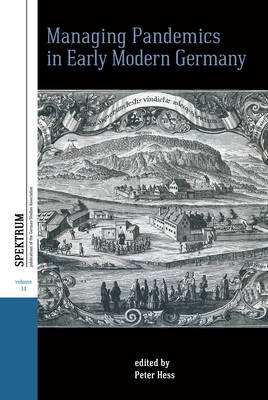
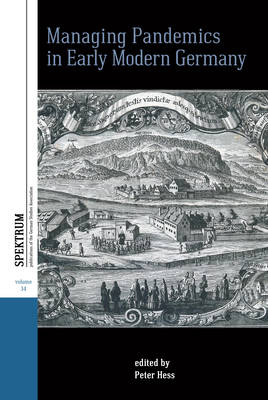
Managing Pandemics in Early Modern Germany
€ 241,95
+ 483 punten
Omschrijving
Pandemics spread throughout early modern Germany on a regular basis and profoundly affected public policy and private lives. While plague was central, other diseases such as French pox, which appeared in the 1490s, were of concern as well. This volume examines both historical data and textual evidence to explore how early modern states, communities, and individuals responded to such outbreaks, how they dealt with ensuing political, ethical, intellectual, social, and pragmatic issues, and how they handled arising conflicts. The focus is on the period between 1480 and 1720, between the onset of printed plague literature and the end of periodic outbreaks of plague.
Specificaties
Betrokkenen
- Uitgeverij:
Inhoud
- Aantal bladzijden:
- 368
- Taal:
- Engels
- Reeks:
- Reeksnummer:
- nr. 34
Eigenschappen
- Productcode (EAN):
- 9781836954255
- Verschijningsdatum:
- 1/03/2026
- Uitvoering:
- Hardcover
- Formaat:
- Bibliotheekbinding
- Afmetingen:
- 152 mm x 229 mm
- Gewicht:
- 607 g

Alleen bij Standaard Boekhandel
+ 483 punten op je klantenkaart van Standaard Boekhandel
Cadeau

AANGERADEN


Beoordelingen
We publiceren alleen reviews die voldoen aan de voorwaarden voor reviews. Bekijk onze voorwaarden voor reviews.