


- Afhalen na 1 uur in een winkel met voorraad
- Gratis thuislevering in België vanaf € 30
- Ruim aanbod met 7 miljoen producten
- Afhalen na 1 uur in een winkel met voorraad
- Gratis thuislevering in België vanaf € 30
- Ruim aanbod met 7 miljoen producten





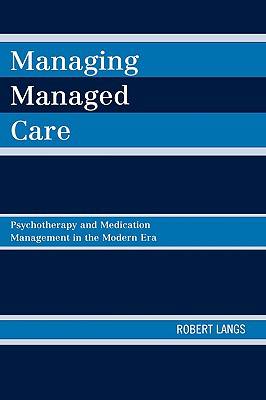
Managing Managed Care
Psychotherapy and Medication Management in the Modern Era
Robert Langs
Hardcover | Engels
€ 186,95
+ 373 punten
Omschrijving
Managing Managed Care is the first comprehensive exploration of the many issues and challenges faced by both providers and patients who work under the auspices of managed care insurers. The distinctive conditions of managed care treatment are scrutinized in detail and their effects and optimal management are carefully presented. The book makes extensive use of the author's unique, in-depth understanding of the human mind and pays attention to both the consciously mediated effects of the conditions of managed care treatment and to the especially powerful, largely unappreciated effects that are mediated unconsciously. The result is a well grounded, extensive, practical guide to dealing effectively with the inevitable intrusions into the therapeutic relationship and with other common issues that are characteristic of managed care therapy. The recommendations proposed by the author can turn a failing treatment experience into one that brings symptom relief to the patient and satisfaction to the therapist. While the author is critical of many practices endorsed by managed care insurers and in use by their providers, he takes pains to propose basic improvements in these areas. In addition, the positive features of this treatment modality are given full consideration, including ways to enhance their favorable effects. The book uniquely provides critical insights for therapists and psychiatrists of all backgrounds and all levels of clinical experience in ways that will greatly enhance their work with managed care patients.
Specificaties
Betrokkenen
- Auteur(s):
- Uitgeverij:
Inhoud
- Aantal bladzijden:
- 156
- Taal:
- Engels
Eigenschappen
- Productcode (EAN):
- 9780765705761
- Verschijningsdatum:
- 19/02/2009
- Uitvoering:
- Hardcover
- Formaat:
- Genaaid
- Afmetingen:
- 155 mm x 231 mm
- Gewicht:
- 340 g


Alleen bij Standaard Boekhandel
+ 373 punten op je klantenkaart van Standaard Boekhandel
CADEAU

AANGERADEN


Beoordelingen
We publiceren alleen reviews die voldoen aan de voorwaarden voor reviews. Bekijk onze voorwaarden voor reviews.