


- Afhalen na 1 uur in een winkel met voorraad
- Gratis thuislevering in België vanaf € 30
- Ruim aanbod met 7 miljoen producten
- Afhalen na 1 uur in een winkel met voorraad
- Gratis thuislevering in België vanaf € 30
- Ruim aanbod met 7 miljoen producten





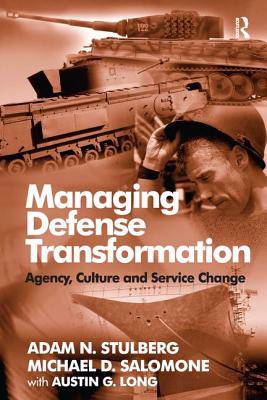
Managing Defense Transformation
Agency, Culture and Service Change
Adam N Stulberg, Michael D Salomone
Hardcover | Engels
€ 305,45
+ 610 punten
Omschrijving
This book explicates the conditions under which military organizations have both succeeded and failed at institutionalizing new ideas and forms of warfare. Through comparative analysis of some classic cases, the authors offer a novel explanation for change rooted in managerial strategies for aligning service incentives and norms.
Specificaties
Betrokkenen
- Auteur(s):
- Uitgeverij:
Inhoud
- Aantal bladzijden:
- 220
- Taal:
- Engels
Eigenschappen
- Productcode (EAN):
- 9780754648567
- Verschijningsdatum:
- 28/06/2007
- Uitvoering:
- Hardcover
- Formaat:
- Genaaid
- Afmetingen:
- 156 mm x 234 mm
- Gewicht:
- 503 g


Alleen bij Standaard Boekhandel
+ 610 punten op je klantenkaart van Standaard Boekhandel
Cadeau

AANGERADEN


Beoordelingen
We publiceren alleen reviews die voldoen aan de voorwaarden voor reviews. Bekijk onze voorwaarden voor reviews.