


- Afhalen na 1 uur in een winkel met voorraad
- Gratis thuislevering in België vanaf € 30
- Ruim aanbod met 7 miljoen producten
- Afhalen na 1 uur in een winkel met voorraad
- Gratis thuislevering in België vanaf € 30
- Ruim aanbod met 7 miljoen producten





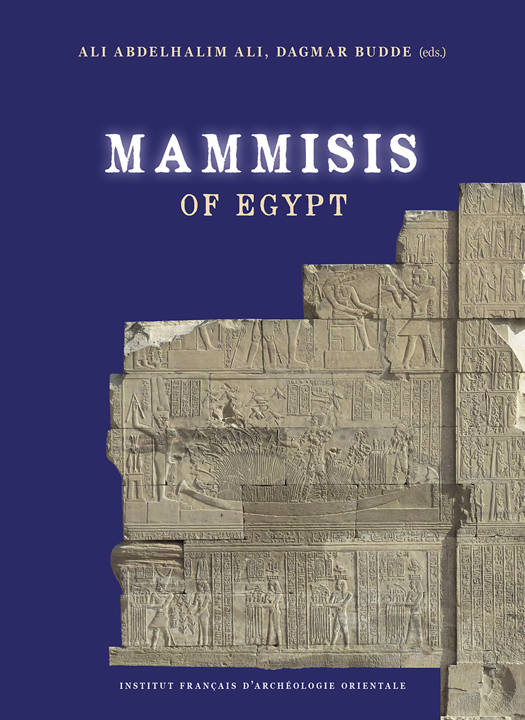
Mammisis of Egypt
Proceedings of the First International Colloquium, Held in Cairo, Ifao, 27-28 March 2019
Colloquium Mammisis of Egypt (1 ; 2019 ; Le Caire)
€ 45,00
+ 90 punten
Omschrijving
Birth Houses (Mammisis) are important components of late Egyptian temple complexes but have not been investigated in detail since the fundamental study of Francois Daumas published in 1958. In the meantime, new archaeological findings as well as re-evaluations of theology and piety in Greco-Roman Egypt have considerably expanded our traditional understanding of these extraordinary buildings. Therefore, reassessment of phenomena and expanded research approaches need to be undertaken. This book presents the printed versions of the lectures given by international Egyptologists at the IFAO in Cairo on March 27-28, 2019, as part of the 1st Colloquium on "Mammisis of Egypt". In the publication, criteria and reconsiderations are put up for discussion that can be decisive for the identification and definition of Mammisis. The spectrum of topics ranges from theological basics (including the significant birth cycle) and typical features, through historical development and cultic events, to the architecture of these temple buildings. Special motifs, theoretical and iconographic concepts and finally the persistence of certain rites in modern Egypt are also covered. One chapter introduces current scientific projects and their methods that are dedicated to selected mammisis or chapels (Coptos, Deir el-Medina, Edfu, Kom Ombo, Philae, Bahariya, Kellis, Jebel Barkal). Numerous illustrations complement the contributions. They contain new material from excavations that is being published for the first time.
Specificaties
Betrokkenen
- Auteur(s):
- Uitgeverij:
Inhoud
- Aantal bladzijden:
- 424
- Taal:
- Engels
- Reeks:
- Reeksnummer:
- nr. 185
Eigenschappen
- Productcode (EAN):
- 9782724709674
- Verschijningsdatum:
- 4/12/2023
- Uitvoering:
- Hardcover
- Formaat:
- Genaaid
- Afmetingen:
- 205 mm x 283 mm
- Gewicht:
- 898 g


Alleen bij Standaard Boekhandel
+ 90 punten op je klantenkaart van Standaard Boekhandel
Cadeau

AANGERADEN


Beoordelingen
We publiceren alleen reviews die voldoen aan de voorwaarden voor reviews. Bekijk onze voorwaarden voor reviews.