


- Afhalen na 1 uur in een winkel met voorraad
- Gratis thuislevering in België vanaf € 30
- Ruim aanbod met 7 miljoen producten
- Afhalen na 1 uur in een winkel met voorraad
- Gratis thuislevering in België vanaf € 30
- Ruim aanbod met 7 miljoen producten





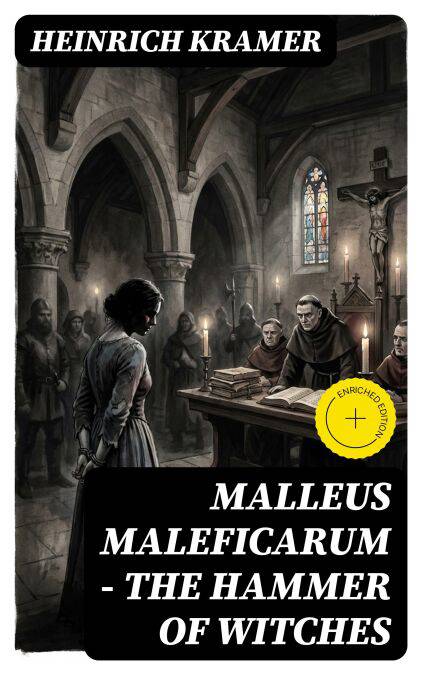
Malleus Maleficarum - The Hammer of Witches E-BOOK
Enriched edition.
Heinrich Kramer
E-book | Engels
€ 1,99
+ 1 punten
Eenvoudig bestellen
Veilig betalen


Onmiddellijk geleverd via e-mail
Omschrijving
Malleus Maleficarum, also known as The Hammer of Witches, emerges as a seminal work of the late 15th century, authored by Heinrich Kramer alongside Jacob Sprenger. This treatise is notorious for its detailed incitement against witchcraft, exploring the theological, judicial, and societal ramifications of witch hunts during the European witch craze. Divided into three distinct parts, the work combines instructive narratives, exegeses of scripture, and procedural manuals for conducting witch trials, employing a didactic yet alarming literary style that reflects the fears and superstitions of a turbulent epoch dominated by faith and fear. Heinrich Kramer, a Dominican friar and inquisitor, draws upon his experiences in the ecclesiastical courts, which were rife with growing tensions surrounding heresy and witchcraft. His role in advancing anti-witchcraft theories can be contextualized within the broader movement of the Reformation period, driven by anxieties about moral decay, societal disorder, and the influence of women in a patriarchal society. This background shaped Kramer's views, compelling him to interlace theological doctrine with legal imperatives against perceived witches. Malleus Maleficarum remains a critical text for understanding the complexities of early modern European society and the historical context of witch trials. Scholars of witchcraft, gender studies, and religious history will find the book invaluable, as it dissects the intersection of fear, governance, and superstition, offering a chilling glimpse into the psyche of an era where the very fabric of reality was questioned in the face of the supernatural.
In this enriched edition, we have carefully created added value for your reading experience:
- A succinct Introduction situates the work's timeless appeal and themes.
- The Synopsis outlines the central plot, highlighting key developments without spoiling critical twists.
- A detailed Historical Context immerses you in the era's events and influences that shaped the writing.
- A thorough Analysis dissects symbols, motifs, and character arcs to unearth underlying meanings.
- Reflection questions prompt you to engage personally with the work's messages, connecting them to modern life.
- Hand‐picked Memorable Quotes shine a spotlight on moments of literary brilliance.
- Interactive footnotes clarify unusual references, historical allusions, and archaic phrases for an effortless, more informed read.
In this enriched edition, we have carefully created added value for your reading experience:
- A succinct Introduction situates the work's timeless appeal and themes.
- The Synopsis outlines the central plot, highlighting key developments without spoiling critical twists.
- A detailed Historical Context immerses you in the era's events and influences that shaped the writing.
- A thorough Analysis dissects symbols, motifs, and character arcs to unearth underlying meanings.
- Reflection questions prompt you to engage personally with the work's messages, connecting them to modern life.
- Hand‐picked Memorable Quotes shine a spotlight on moments of literary brilliance.
- Interactive footnotes clarify unusual references, historical allusions, and archaic phrases for an effortless, more informed read.
Specificaties
Betrokkenen
- Auteur(s):
- Uitgeverij:
Inhoud
- Aantal bladzijden:
- 402
- Taal:
- Engels
Eigenschappen
- Productcode (EAN):
- 8596547392378
- Verschijningsdatum:
- 12/11/2022
- Uitvoering:
- E-book
- Beveiligd met:
- Digital watermarking
- Formaat:
- ePub


Alleen bij Standaard Boekhandel
+ 1 punten op je klantenkaart van Standaard Boekhandel
CADEAU

AANGERADEN


Beoordelingen
We publiceren alleen reviews die voldoen aan de voorwaarden voor reviews. Bekijk onze voorwaarden voor reviews.