


- Afhalen na 1 uur in een winkel met voorraad
- Gratis thuislevering in België vanaf € 30
- Ruim aanbod met 7 miljoen producten
- Afhalen na 1 uur in een winkel met voorraad
- Gratis thuislevering in België vanaf € 30
- Ruim aanbod met 7 miljoen producten





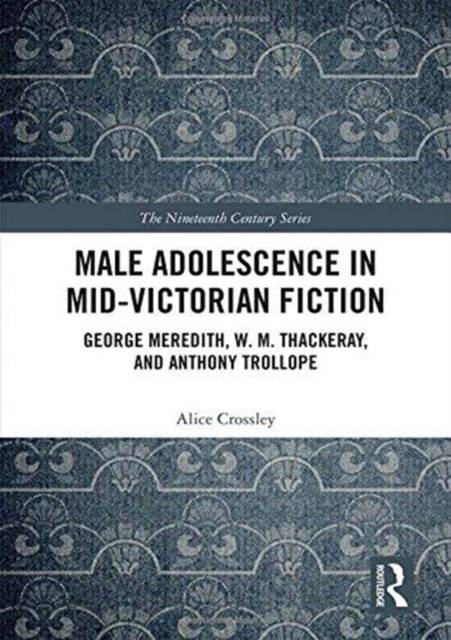
Male Adolescence in Mid-Victorian Fiction
George Meredith, W. M. Thackeray, and Anthony Trollope
Alice Crossley
€ 305,45
+ 610 punten
Uitvoering
Omschrijving
Focusing on works by George Meredith, W. M. Thackeray, and Anthony Trollope, Alice Crossley expounds on the emergence of adolescence in the mid-Victorian period as a distinct category of identity and form of experience. She argues that male adolescence provides Thackeray, Trollope, and Meredith with opportunities for self-reflection and social criticism while also working as a paradigm for narrative and imaginative inquiry about motivation, egotism, emotional and physical relationships, and the possibilities of self-creation.
Specificaties
Betrokkenen
- Auteur(s):
- Uitgeverij:
Inhoud
- Aantal bladzijden:
- 244
- Taal:
- Engels
- Reeks:
Eigenschappen
- Productcode (EAN):
- 9781472445575
- Verschijningsdatum:
- 9/07/2018
- Uitvoering:
- Hardcover
- Formaat:
- Genaaid
- Afmetingen:
- 152 mm x 229 mm
- Gewicht:
- 517 g


Alleen bij Standaard Boekhandel
+ 610 punten op je klantenkaart van Standaard Boekhandel
Cadeau

AANGERADEN


Beoordelingen
We publiceren alleen reviews die voldoen aan de voorwaarden voor reviews. Bekijk onze voorwaarden voor reviews.