



Bedankt voor het vertrouwen het afgelopen jaar! Om jou te bedanken bieden we GRATIS verzending (in België) aan op alles gedurende de hele maand januari.
- Afhalen na 1 uur in een winkel met voorraad
- In januari gratis thuislevering in België
- Ruim aanbod met 7 miljoen producten
Bedankt voor het vertrouwen het afgelopen jaar! Om jou te bedanken bieden we GRATIS verzending (in België) aan op alles gedurende de hele maand januari.
- Afhalen na 1 uur in een winkel met voorraad
- In januari gratis thuislevering in België
- Ruim aanbod met 7 miljoen producten





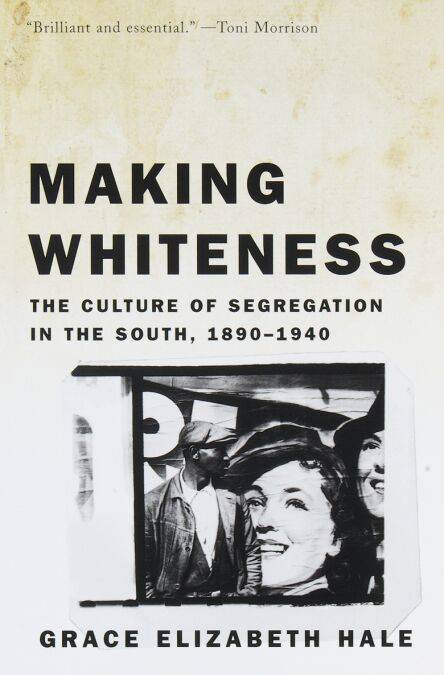
Making Whiteness E-BOOK
The Culture of Segregation in the South, 1890-1940
Grace Elizabeth Hale
E-book | Engels
€ 5,77
+ 5 punten
Omschrijving
Making Whiteness is a profoundly important work that explains how and why whiteness came to be such a crucial, embattled--and distorting--component of twentieth-century American identity. In intricately textured detail and with passionately mastered analysis, Grace Elizabeth Hale shows how, when faced with the active citizenship of their ex-slaves after the Civil War, white southerners re-established their dominance through a cultural system based on violence and physical separation. And in a bold and transformative analysis of the meaning of segregation for the nation as a whole, she explains how white southerners' creation of modern "whiteness" was, beginning in the 1920s, taken up by the rest of the nation as a way of enforcing a new social hierarchy while at the same time creating the illusion of a national, egalitarian, consumerist democracy.
By showing the very recent historical "making" of contemporary American whiteness and by examining how the culture of segregation, in all its murderous contradictions, was lived, Hale makes it possible to imagine a future outside it. Her vision holds out the difficult promise of a truly democratic American identity whose possibilities are no longer limited and disfigured by race.
By showing the very recent historical "making" of contemporary American whiteness and by examining how the culture of segregation, in all its murderous contradictions, was lived, Hale makes it possible to imagine a future outside it. Her vision holds out the difficult promise of a truly democratic American identity whose possibilities are no longer limited and disfigured by race.
Specificaties
Betrokkenen
- Auteur(s):
- Uitgeverij:
Inhoud
- Aantal bladzijden:
- 448
- Taal:
- Engels
Eigenschappen
- Productcode (EAN):
- 9780307487933
- Verschijningsdatum:
- 24/08/2010
- Uitvoering:
- E-book
- Beveiligd met:
- Adobe DRM
- Formaat:
- ePub


Alleen bij Standaard Boekhandel
+ 5 punten op je klantenkaart van Standaard Boekhandel
SOLDEN


Beoordelingen
We publiceren alleen reviews die voldoen aan de voorwaarden voor reviews. Bekijk onze voorwaarden voor reviews.