


- Afhalen na 1 uur in een winkel met voorraad
- Gratis thuislevering in België vanaf € 30
- Ruim aanbod met 7 miljoen producten
- Afhalen na 1 uur in een winkel met voorraad
- Gratis thuislevering in België vanaf € 30
- Ruim aanbod met 7 miljoen producten





€ 49,95
+ 99 punten
Omschrijving
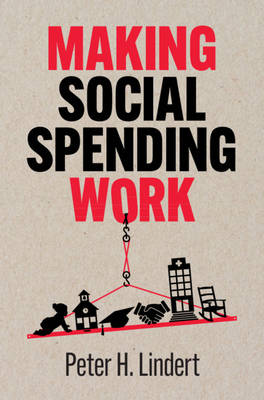
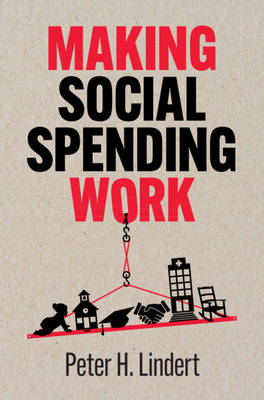
How does social spending relate to economic growth and which countries have got this right and wrong? Peter Lindert examines the experience of countries across the globe to reveal what has worked, what needs changing, and who the winners and losers are under different systems. He traces the development of public education, health care, pensions, and welfare provision, and addresses key questions around intergenerational inequality and fiscal redistribution, the returns to investment in human capital, how to deal with an aging population, whether migration is a cost or a benefit, and how social spending differs in autocracies and democracies. The book shows that what we need to do above all is to invest more in the young from cradle to career, and shift the burden of paying for social insurance away from the workplace and to society as a whole.
Specificaties
Betrokkenen
- Auteur(s):
- Uitgeverij:
Inhoud
- Aantal bladzijden:
- 434
- Taal:
- Engels
Eigenschappen
- Productcode (EAN):
- 9781108478168
- Verschijningsdatum:
- 8/04/2021
- Uitvoering:
- Hardcover
- Formaat:
- Genaaid
- Afmetingen:
- 196 mm x 234 mm
- Gewicht:
- 725 g


Alleen bij Standaard Boekhandel
+ 99 punten op je klantenkaart van Standaard Boekhandel
Cadeau

AANGERADEN


Beoordelingen
We publiceren alleen reviews die voldoen aan de voorwaarden voor reviews. Bekijk onze voorwaarden voor reviews.