


- Afhalen na 1 uur in een winkel met voorraad
- Gratis thuislevering in België vanaf € 30
- Ruim aanbod met 7 miljoen producten
- Afhalen na 1 uur in een winkel met voorraad
- Gratis thuislevering in België vanaf € 30
- Ruim aanbod met 7 miljoen producten





€ 169,45
+ 338 punten
Omschrijving
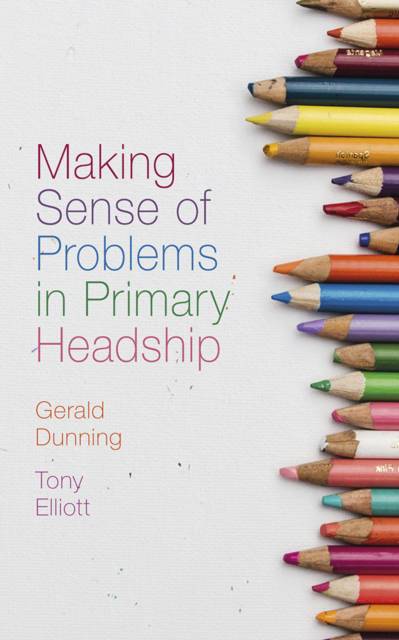
Managing problems has always been a major responsibility of headship, but a substantial number of primary heads now regard their role as especially problematic. With a steadily expanding set of responsibilities and an increasingly demanding set of constituencies to satisfy, the problems which impinge upon primary headship seem set to become ever more challenging. While media sources regularly report increasingly onerous headteacher workloads, ever more rigorous accountability and responsibility demands and over-stretched school budgets, there has been very little empirical research into the problematic nature of modern primary headship. By using evidence from interviews with seventy primary headteachers, this book highlights the most serious problems experienced by primary heads. In particular, the management of school finance and premises and relationships with a range of other people involved in the life and work of the school are shown to be recurring historical issues in primary headship. This book is a response to these problems and draws upon research on organizational value theory, micropolitics and symbolism as well as school leader succession and socialisation studies. By offering a set of conceptual tools to enhance analysis of problem causes and identification of relevant management strategies this text will prove a valuable resource for researchers and leaders in education.
Specificaties
Betrokkenen
- Auteur(s):
- Uitgeverij:
Inhoud
- Aantal bladzijden:
- 240
- Taal:
- Engels
Eigenschappen
- Productcode (EAN):
- 9781789739046
- Verschijningsdatum:
- 15/08/2019
- Uitvoering:
- Hardcover
- Formaat:
- Genaaid
- Afmetingen:
- 157 mm x 231 mm
- Gewicht:
- 453 g


Alleen bij Standaard Boekhandel
+ 338 punten op je klantenkaart van Standaard Boekhandel
Cadeau

AANGERADEN


Beoordelingen
We publiceren alleen reviews die voldoen aan de voorwaarden voor reviews. Bekijk onze voorwaarden voor reviews.