


- Afhalen na 1 uur in een winkel met voorraad
- Gratis thuislevering in België vanaf € 30
- Ruim aanbod met 7 miljoen producten
- Afhalen na 1 uur in een winkel met voorraad
- Gratis thuislevering in België vanaf € 30
- Ruim aanbod met 7 miljoen producten




€ 32,95
+ 65 punten
Omschrijving
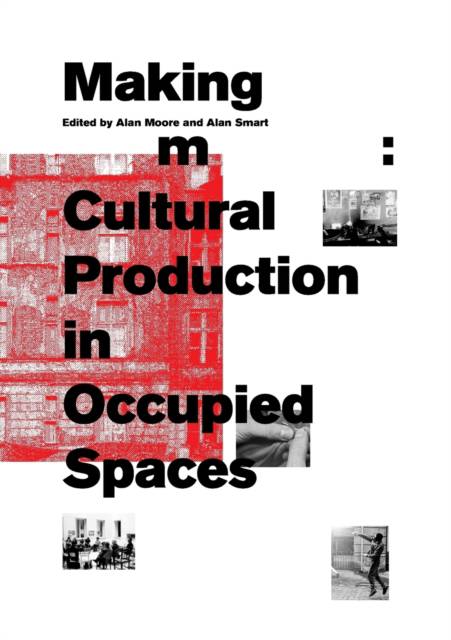
Making Room: Cultural Production in Occupied Spaces is an anthology of texts on art, media and aesthetic practice in the context of squatting, occupation and urban space activism. It includes pieces by activist researchers working between the academy and the movements they write about, journalistic first-person narratives by squatters, original photography and interviews with artists, theorists and activists involved in struggles over urban space and creative production in the city. Focused primarily on the European context its international relations and connection, this diverse collection of material is organized into sections by country so as to highlight the contrast between different voices and frames of reference. While many of these voices assert accounts of a cohesive, international squatter movement or are committed to specific political projects the anthology, when taken as a whole, tells a more complex story about constellations of movements and practices intensely engaged with local conditions that have developed - sometimes independently, sometimes in dialog with one another - as people have struggled to survive, express themselves, carve out zones of autonomy and resistance, and push back against the dominance of capitalism in the city. In this, "cultural production" appears in a variety of forms ranging from conventional art practices, to the organizing of communities and networks, to the production of media and setting up of information systems. Likewise, squats, occupations and social centers are figured as art projects themselves, housing and workspaces for artists or, most significantly, constituent parts of an alternative infrastructure for the autonomous production of knowledge, discourse, and aesthetics. Making Room includes stories of the squatter movement in Germany both in the 1980s and '90s as the Cold War was ending and Neoliberalism taking shape, and in its contemporary manifestations as resistance to gentrification and struggles for housing and the inclusion of migrants. In Northern Europe it recounts episodes in the emergence of militant autonomism from the softer counterculture of the 1960s and '70s as struggles hardened and utopian exuberance faded in the face of the consolidation of global capitalism and was replaced by grim, determined holding actions. In Italy the housing struggles and social center movement of the 1980s appears as a more popular and pragmatic revival of activism following the decimation of the radical left in the dark years of the anni di piombo. This revival has found new resonance in the resurgence of squatting in Italy and the occupation and debt resistance movement in Spain that have taken much inspiration from it. Other texts in the anthology recount struggles to define the role of creativity as cities in Western Europe and North America have become post-industrial urban economies, organized around knowledge work and affective labor, and gentrification has replaced urban decay as a primary problem. Finally, another narrative thread runs through the anthology tracing a history of radical media from the underground printing and publishing practices of the 1960's and '70s through the proliferation of pirate radio and television projects and into contemporary hacker and internet activist culture.
Specificaties
Betrokkenen
- Auteur(s):
- Uitgeverij:
Inhoud
- Aantal bladzijden:
- 358
- Taal:
- Engels
Eigenschappen
- Productcode (EAN):
- 9780979137792
- Verschijningsdatum:
- 1/06/2015
- Uitvoering:
- Paperback
- Formaat:
- Trade paperback (VS)
- Afmetingen:
- 148 mm x 210 mm
- Gewicht:
- 426 g


Alleen bij Standaard Boekhandel
+ 65 punten op je klantenkaart van Standaard Boekhandel
Cadeau

AANGERADEN


Beoordelingen
We publiceren alleen reviews die voldoen aan de voorwaarden voor reviews. Bekijk onze voorwaarden voor reviews.