


- Afhalen na 1 uur in een winkel met voorraad
- Gratis thuislevering in België vanaf € 30
- Ruim aanbod met 7 miljoen producten
- Afhalen na 1 uur in een winkel met voorraad
- Gratis thuislevering in België vanaf € 30
- Ruim aanbod met 7 miljoen producten





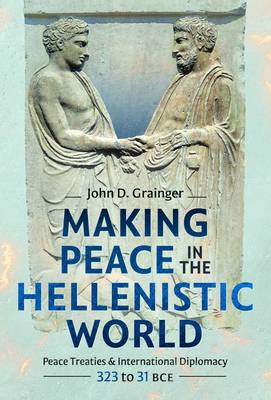
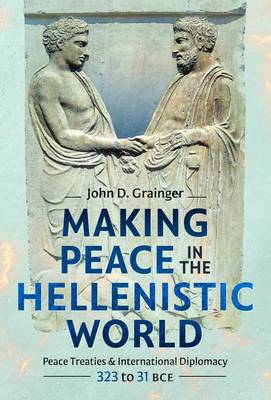
Making Peace in the Hellenistic World
Peace Treaties and International Diplomacy, 323 to 31 Bce
John D Grainger
Hardcover | Engels
€ 34,95
+ 69 punten
Omschrijving
International relations in the ancient world is generally written about in terms of wars. But wars have to start and end, and the spaces between them are times of peace. This book concentrates on the making of peace at the end of wars. It concentrates on the Hellenistic period because that was when a particular set of circumstances existed in which a set of diplomatic rules were enunciated and observed for well over a century.
The great powers of the Hellenistic period were first of all absolute monarchies. The kings were all descended from the Macedonian chiefs in the war against the Persian Empire, and who made themselves kings afterwards. From 300 BC the Macedonian kings all knew each other, and could make peace relatively easily. That friendship translated into a diplomatic system which then operated successfully for well over a century, in which peace continued while the kings involved lived. The system was broken up by the intrusion of the Rome republic, which did not fit.
Non-Hellenistic monarchies - Syracuse, Parthia, Baktria, and so on - fitted into the system easily, but most republican states, generally small, never did. Republican Rome, with its own agenda and methods, then intervened and gradually destroyed the diplomatic system, though monarchies maintained it when they could. John Grainger's unusual emphasis on peace processes, judging them as important as war, offers a refreshing perspective on this period.
The great powers of the Hellenistic period were first of all absolute monarchies. The kings were all descended from the Macedonian chiefs in the war against the Persian Empire, and who made themselves kings afterwards. From 300 BC the Macedonian kings all knew each other, and could make peace relatively easily. That friendship translated into a diplomatic system which then operated successfully for well over a century, in which peace continued while the kings involved lived. The system was broken up by the intrusion of the Rome republic, which did not fit.
Non-Hellenistic monarchies - Syracuse, Parthia, Baktria, and so on - fitted into the system easily, but most republican states, generally small, never did. Republican Rome, with its own agenda and methods, then intervened and gradually destroyed the diplomatic system, though monarchies maintained it when they could. John Grainger's unusual emphasis on peace processes, judging them as important as war, offers a refreshing perspective on this period.
Specificaties
Betrokkenen
- Auteur(s):
- Uitgeverij:
Inhoud
- Aantal bladzijden:
- 272
- Taal:
- Engels
Eigenschappen
- Productcode (EAN):
- 9781036186005
- Verschijningsdatum:
- 30/11/2026
- Uitvoering:
- Hardcover
- Formaat:
- Genaaid
- Afmetingen:
- 159 mm x 235 mm


Alleen bij Standaard Boekhandel
+ 69 punten op je klantenkaart van Standaard Boekhandel
Cadeau

AANGERADEN


Beoordelingen
We publiceren alleen reviews die voldoen aan de voorwaarden voor reviews. Bekijk onze voorwaarden voor reviews.