



- Afhalen na 1 uur in een winkel met voorraad
- In januari gratis thuislevering in België
- Ruim aanbod met 7 miljoen producten
- Afhalen na 1 uur in een winkel met voorraad
- In januari gratis thuislevering in België
- Ruim aanbod met 7 miljoen producten





€ 72,45
+ 144 punten
Uitvoering
Omschrijving
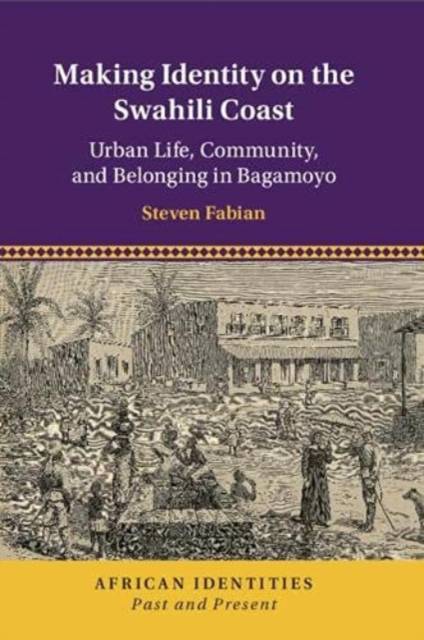
Situated at a crossroads of trade in the late nineteenth century, and later the economic capital of German East Africa, the thriving caravan and port town of Bagamoyo, Tanzania is one of many diverse communities on the East African coast which has been characterized as 'Swahili'. Seeking an alternate framework for understanding community and identity, Steven Fabian combines extensive archival sources from African and European archives alongside fieldwork in Bagamoyo to move beyond the category of 'Swahili' as it has been traditionally understood. Revealing how townspeople - Africans, Arabs, Indians, and Europeans alike - created a local vocabulary which referenced aspects of everyday town life and bound them together as members of a shared community, this first extensive examination of Bagamoyo's history from the pre-colonial era to independence uses a new lens of historical analysis to emphasize the importance of place in creating local, urban identities and suggests a broader understanding of these concepts historically along the Swahili Coast.
Specificaties
Betrokkenen
- Auteur(s):
- Uitgeverij:
Inhoud
- Aantal bladzijden:
- 370
- Taal:
- Engels
- Reeks:
- Reeksnummer:
- nr. 1
Eigenschappen
- Productcode (EAN):
- 9781108710046
- Verschijningsdatum:
- 28/10/2021
- Uitvoering:
- Paperback
- Formaat:
- Trade paperback (VS)
- Afmetingen:
- 152 mm x 229 mm
- Gewicht:
- 494 g


Alleen bij Standaard Boekhandel
+ 144 punten op je klantenkaart van Standaard Boekhandel
Cadeau

AANGERADEN


Beoordelingen
We publiceren alleen reviews die voldoen aan de voorwaarden voor reviews. Bekijk onze voorwaarden voor reviews.