



Bedankt voor het vertrouwen het afgelopen jaar! Om jou te bedanken bieden we GRATIS verzending (in België) aan op alles gedurende de hele maand januari.
- Afhalen na 1 uur in een winkel met voorraad
- In januari gratis thuislevering in België
- Ruim aanbod met 7 miljoen producten
Bedankt voor het vertrouwen het afgelopen jaar! Om jou te bedanken bieden we GRATIS verzending (in België) aan op alles gedurende de hele maand januari.
- Afhalen na 1 uur in een winkel met voorraad
- In januari gratis thuislevering in België
- Ruim aanbod met 7 miljoen producten





Omschrijving
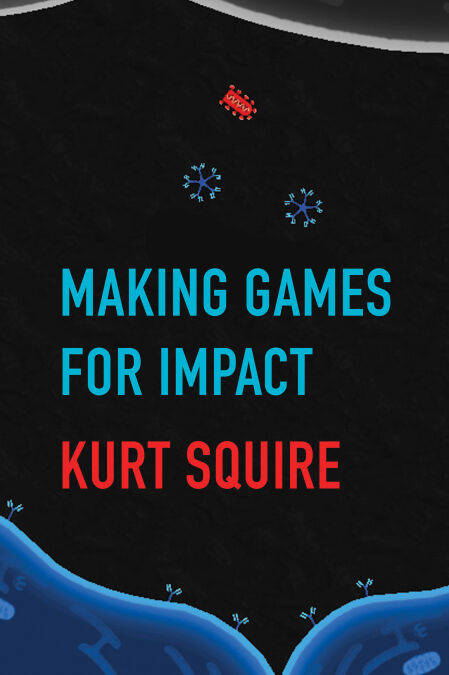
Designing games for learning: case studies show how to incorporate impact goals, build a team, and work with experts to create an effective game.
Digital games for learning are now commonplace, used in settings that range from K–12 education to advanced medical training. In this book, Kurt Squire examines the ways that games make an impact on learning, investigating how designers and developers incorporate authentic social impact goals, build a team, and work with experts in order to make games that are effective and marketable. Because there is no one design process for making games for impact—specific processes arise in response to local needs and conditions—Squire presents a series of case studies that range from a small, playable game created by a few programmers and an artist to a multimillion-dollar project with funders, outside experts, and external constraints.
These cases, drawn from the Games + Learning + Society Center at the University of Wisconsin–Madison, show designers tackling such key issues as choosing platforms, using data analytics to guide development, and designing for new markets. Although not a how-to guide, the book offers developers, researchers, and students real-world lessons in greenlighting a project, scaling up design teams, game-based assessment, and more. The final chapter examines the commercial development of an impact game in detail, describing the creation of an astronomy game, At Play in the Cosmos, that ships with an introductory college textbook.
Digital games for learning are now commonplace, used in settings that range from K–12 education to advanced medical training. In this book, Kurt Squire examines the ways that games make an impact on learning, investigating how designers and developers incorporate authentic social impact goals, build a team, and work with experts in order to make games that are effective and marketable. Because there is no one design process for making games for impact—specific processes arise in response to local needs and conditions—Squire presents a series of case studies that range from a small, playable game created by a few programmers and an artist to a multimillion-dollar project with funders, outside experts, and external constraints.
These cases, drawn from the Games + Learning + Society Center at the University of Wisconsin–Madison, show designers tackling such key issues as choosing platforms, using data analytics to guide development, and designing for new markets. Although not a how-to guide, the book offers developers, researchers, and students real-world lessons in greenlighting a project, scaling up design teams, game-based assessment, and more. The final chapter examines the commercial development of an impact game in detail, describing the creation of an astronomy game, At Play in the Cosmos, that ships with an introductory college textbook.
Specificaties
Betrokkenen
- Auteur(s):
- Uitgeverij:
Inhoud
- Aantal bladzijden:
- 252
- Taal:
- Engels
Eigenschappen
- Productcode (EAN):
- 9780262362498
- Verschijningsdatum:
- 25/10/2021
- Uitvoering:
- E-book
- Beveiligd met:
- Adobe DRM
- Formaat:
- ePub


Alleen bij Standaard Boekhandel
+ 29 punten op je klantenkaart van Standaard Boekhandel
SOLDEN


Beoordelingen
We publiceren alleen reviews die voldoen aan de voorwaarden voor reviews. Bekijk onze voorwaarden voor reviews.