


- Afhalen na 1 uur in een winkel met voorraad
- Gratis thuislevering in België vanaf € 30
- Ruim aanbod met 7 miljoen producten
- Afhalen na 1 uur in een winkel met voorraad
- Gratis thuislevering in België vanaf € 30
- Ruim aanbod met 7 miljoen producten





€ 64,45
+ 128 punten
Omschrijving
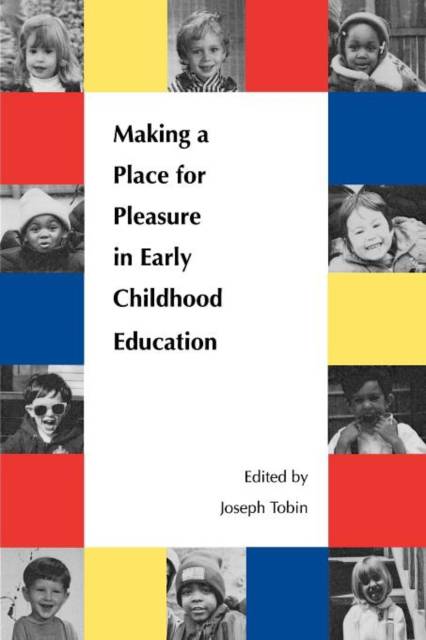
Kindergarten kissing games...four-year-olds playing doctor...a teacher holding a crying child on his lap as he comforts her. Interactions like these-spontaneous and pleasurable-are no longer encouraged in American early childhood classrooms, and in some cases they are forbidden. The quality of the lives of our children and their teachers is thereby diminished, contend the contributors to this timely book. In response to much-publicized incidents of child abuse by caretakers, a "moral panic" has swept over early childhood education. In this book, experienced teachers of young children and teacher education experts issue a plea for sanity, for restoring a sense of balance to preschool, nursery school, and kindergarten classrooms. The contributors to this book explore how caretakers of preschool children and other adults have overreacted to fears about child abuse. Drawing on feminist, queer, and poststructural theories, the authors argue for the restoration of pleasure as a goal of early childhood education.
Specificaties
Betrokkenen
- Auteur(s):
- Uitgeverij:
Inhoud
- Aantal bladzijden:
- 264
- Taal:
- Engels
Eigenschappen
- Productcode (EAN):
- 9780300183009
- Verschijningsdatum:
- 1/11/2011
- Uitvoering:
- Paperback
- Formaat:
- Trade paperback (VS)
- Afmetingen:
- 152 mm x 229 mm
- Gewicht:
- 394 g


Alleen bij Standaard Boekhandel
+ 128 punten op je klantenkaart van Standaard Boekhandel
Cadeau

AANGERADEN


Beoordelingen
We publiceren alleen reviews die voldoen aan de voorwaarden voor reviews. Bekijk onze voorwaarden voor reviews.