


- Afhalen na 1 uur in een winkel met voorraad
- Gratis thuislevering in België vanaf € 30
- Ruim aanbod met 7 miljoen producten
- Afhalen na 1 uur in een winkel met voorraad
- Gratis thuislevering in België vanaf € 30
- Ruim aanbod met 7 miljoen producten





€ 140,95
+ 281 punten
Omschrijving
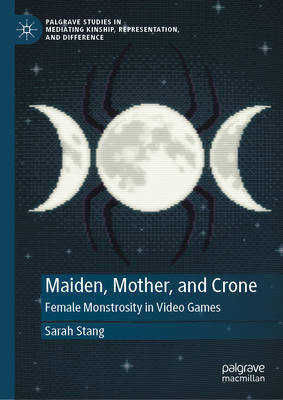
This book examines how the design of female monsters in science fiction and fantasy roleplaying games positions women's bodies and behaviors as transgressive, horrific, and threatening. Engaging with established feminist theories related to nonhumanness, transgression, female embodiment, and the horrific, this book unpacks the misogyny embedded in interactive entertainment media and technology in overt, subtle, and intersectional ways. Specifically, utilizing a close reading methodology employing visual and textual analysis of visual design, narrative role, developer commentary, and player reception, this book provides a thorough critical examination of female monsters such as the succubus, siren, broodmother, banshee, harpy, hag, and crone in several games.Through a focus on the archetypes of "maiden," "mother," and "crone," this work reveals how games promote misogynistic beliefs via the design of female monsters related to sexualization and seduction, maternity and pregnancy, and old age and disability; position transgressive women as enemies to be fought and slain by heterosexual male protagonists; and remediate sexist tropes and assumptions that are deeply embedded in mythology, popular culture, the game industry, and gaming culture. In its exploration of the relationship between technology, difference, gender, and monstrosity, this book contributes to feminist media scholarship by highlighting a key problematic in game design that has remained largely unexplored in scholarly and critical writing.
Specificaties
Betrokkenen
- Auteur(s):
- Uitgeverij:
Inhoud
- Aantal bladzijden:
- 312
- Taal:
- Engels
- Reeks:
Eigenschappen
- Productcode (EAN):
- 9783032251145
- Verschijningsdatum:
- 6/07/2026
- Uitvoering:
- Hardcover
- Formaat:
- Genaaid
- Afmetingen:
- 148 mm x 210 mm


Alleen bij Standaard Boekhandel
+ 281 punten op je klantenkaart van Standaard Boekhandel
Cadeau

AANGERADEN


Beoordelingen
We publiceren alleen reviews die voldoen aan de voorwaarden voor reviews. Bekijk onze voorwaarden voor reviews.