


- Afhalen na 1 uur in een winkel met voorraad
- Gratis thuislevering in België vanaf € 30
- Ruim aanbod met 7 miljoen producten
- Afhalen na 1 uur in een winkel met voorraad
- Gratis thuislevering in België vanaf € 30
- Ruim aanbod met 7 miljoen producten





€ 34,95
+ 69 punten
Omschrijving
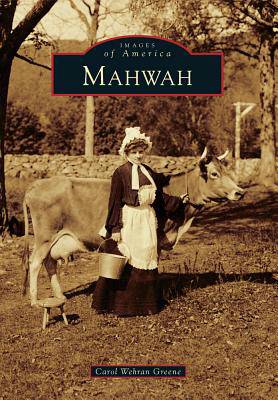
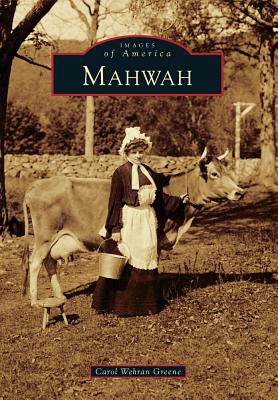
Mahwah was settled by an intrepid widow named Blandina Bayard, who in 1700 wisely set up a trading post on the banks of the Ramapo River. Soon, Mahwah grew into a hamlet with farms, mills, a general store, a distillery, a schoolhouse, and a church. Ramapo Valley Road and Island Road, early colonial highways, and Franklin Turnpike, an 1806 toll road, connected the frontier to nearby cities. Mahwah, then as now, was a busy, energetic crossroads. The railroad of 1848, a turning point to local prosperity, opened markets to farmers, promoted commuting, and attracted entrepreneurs who built magnificent farm estates. Mahwah's merchant community grew around the Erie Railroad depot. In the 1950s, abundant rural acreage yielded to housing, business, and industry. In time, the richly historic Ramapo Mountains were preserved as parkland. Mahwah visually captures this community's wonderfully varied heritage.
Specificaties
Betrokkenen
- Auteur(s):
- Uitgeverij:
Inhoud
- Aantal bladzijden:
- 128
- Taal:
- Engels
- Reeks:
Eigenschappen
- Productcode (EAN):
- 9781467120319
- Verschijningsdatum:
- 3/02/2014
- Uitvoering:
- Paperback
- Formaat:
- Trade paperback (VS)
- Afmetingen:
- 165 mm x 231 mm
- Gewicht:
- 294 g


Alleen bij Standaard Boekhandel
+ 69 punten op je klantenkaart van Standaard Boekhandel
Cadeau

AANGERADEN


Beoordelingen
We publiceren alleen reviews die voldoen aan de voorwaarden voor reviews. Bekijk onze voorwaarden voor reviews.