


- Afhalen na 1 uur in een winkel met voorraad
- Gratis thuislevering in België vanaf € 30
- Ruim aanbod met 7 miljoen producten
- Afhalen na 1 uur in een winkel met voorraad
- Gratis thuislevering in België vanaf € 30
- Ruim aanbod met 7 miljoen producten





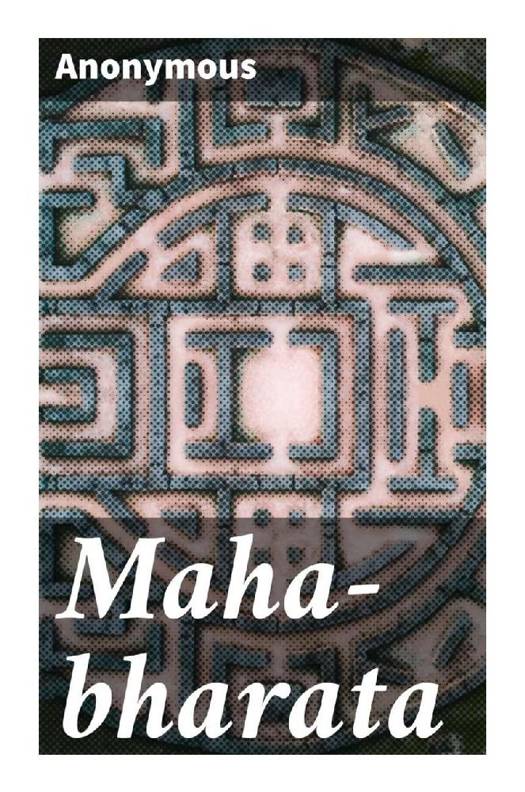
Maha-bharata
The Epic of Ancient India Condensed into English Verse
Paperback | Engels
€ 11,95
+ 23 punten
Omschrijving
The *Maha-bharata*, an ancient Indian epic attributed to an anonymous sage, is a vast and intricate narrative that weaves together mythology, philosophy, and moral dilemmas. This monumental work, often regarded as one of the longest poems in the world, spans over 100,000 verses and explores the complexities of dharma, or duty, in the context of the Kurukshetra War. The literary style combines prose and poetry, featuring a diverse range of characters from gods to warriors, each embodying various virtues and vices. Its narrative techniques call for readers to reflect on the multifaceted nature of human existence, blending historical events with profound ethical questions that resonate through time. The author's anonymity adds an intriguing layer to the *Maha-bharata*, as it suggests a collective cultural authorship reflective of the rich oral traditions of ancient India. The epic likely drew from various regional sources and folk tales, shaped by the socio-political landscape of its time. This amalgamation not only showcases the spiritual and philosophical depth of Indian civilization but also highlights the universal struggles inherent in human life, illustrating why this text remains influential across centuries. I highly recommend the *Maha-bharata* to anyone interested in understanding the foundations of Indian philosophy and ethics. Its narratives not only entertain but also provoke critical thinking about moral dilemmas that are just as relevant today as they were in ancient times. Encountering this epic expands one's appreciation for the complexity of human relationships and the enduring questions of righteousness.
Specificaties
Betrokkenen
- Vertaler(s):
- Uitgeverij:
Inhoud
- Taal:
- Engels
Eigenschappen
- Productcode (EAN):
- 9788027295531
- Uitvoering:
- Paperback
- Afmetingen:
- 152 mm x 229 mm
- Gewicht:
- 223 g

Alleen bij Standaard Boekhandel
+ 23 punten op je klantenkaart van Standaard Boekhandel
Cadeau

AANGERADEN


Beoordelingen
We publiceren alleen reviews die voldoen aan de voorwaarden voor reviews. Bekijk onze voorwaarden voor reviews.