


- Afhalen na 1 uur in een winkel met voorraad
- Gratis thuislevering in België vanaf € 30
- Ruim aanbod met 7 miljoen producten
- Afhalen na 1 uur in een winkel met voorraad
- Gratis thuislevering in België vanaf € 30
- Ruim aanbod met 7 miljoen producten





€ 77,95
+ 155 punten
Uitvoering
Omschrijving
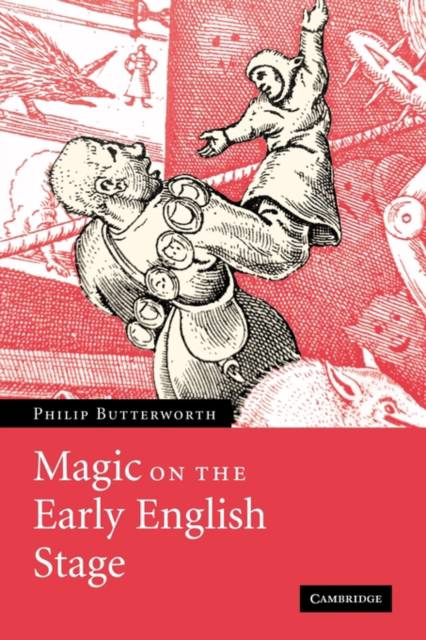
Magic on the Early English Stage investigates the performance of magical tricks, illusions, effects and their staged appearance in the medieval and early English theatre. Performers who created such magic were not known as conjurors, as we might refer to them today, but as jugglers. Records concerning jugglers on the medieval stage have been hitherto misunderstood or misapplied. These references to jugglers are re-examined in the light of discussions of 'feats of activity' that also include tumbling, vaulting and 'dancing on the rope'; appearances and disappearances of the 'Now you see it, now you don't' variety; and stage versions of these concepts; magic through sound in terms of ventriloquy and sound through pipes; mechanical images and puppets; and stage tricks. Information that has remained dormant since original publication is discussed in relation to jugglers such as Thomas Brandon, the King's Juggler, and William Vincent, alias 'Hocus Pocus'. - Investigates the nature of the work of medieval jugglers for the first time
- Identifies and discusses individual jugglers and their work
- Draws upon analysis of stage directions, civic records, ecclesiastical accounts, eye-witness descriptions, and early books on magic to form a picture of the representation of magic on the medieval stage
- Identifies and discusses individual jugglers and their work
- Draws upon analysis of stage directions, civic records, ecclesiastical accounts, eye-witness descriptions, and early books on magic to form a picture of the representation of magic on the medieval stage
Specificaties
Betrokkenen
- Auteur(s):
- Uitgeverij:
Inhoud
- Aantal bladzijden:
- 320
- Taal:
- Engels
Eigenschappen
- Productcode (EAN):
- 9780521153065
- Verschijningsdatum:
- 10/06/2010
- Uitvoering:
- Paperback
- Formaat:
- Trade paperback (VS)
- Afmetingen:
- 152 mm x 229 mm
- Gewicht:
- 471 g


Alleen bij Standaard Boekhandel
+ 155 punten op je klantenkaart van Standaard Boekhandel
Cadeau

AANGERADEN


Beoordelingen
We publiceren alleen reviews die voldoen aan de voorwaarden voor reviews. Bekijk onze voorwaarden voor reviews.