


- Afhalen na 1 uur in een winkel met voorraad
- Gratis thuislevering in België vanaf € 30
- Ruim aanbod met 7 miljoen producten
- Afhalen na 1 uur in een winkel met voorraad
- Gratis thuislevering in België vanaf € 30
- Ruim aanbod met 7 miljoen producten





€ 54,45
+ 108 punten
Omschrijving
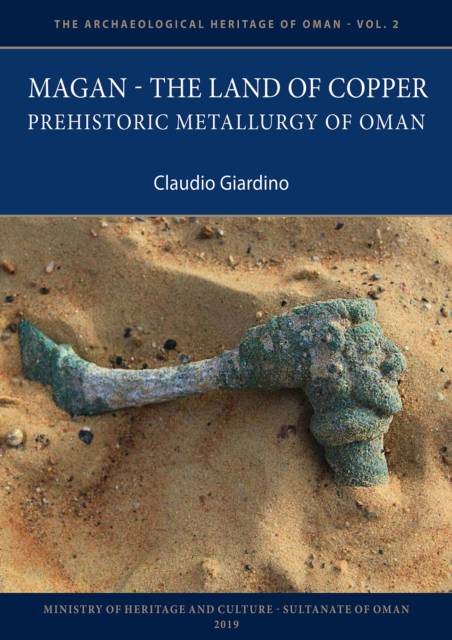
The development of a prehistoric civilization in the Sultanate of Oman was strongly connected with the exploitation and the use of copper. The Oman Peninsula has several rich copper ore deposits that have been exploited since prehistoric times. The earliest evidence of metallurgical activities in Oman dates back to the end of the Neolithic period in the 4th millennium BC. Thanks to the availability of this precious raw material, Oman became one of the main copper sources for the entire Middle East during the Bronze Age. The cuneiform texts of Mesopotamia referred to Oman as the Land of Magan, a region where the precious copper was found in fabulous abundance. This volume describes the geography and environments of Oman, its rich copper ore deposits and the ancient mining and smelting techniques, and it also includes an overview of the physical properties of the different metals exploited in antiquity and of the analytical techniques used in archaeometallurgy. Moreover, the author presents for the first time a comprehensive and detailed typology of the metal objects discovered at sites in Oman dating to the millennia from the Neolithic up to the Early Iron Age, emphasizing the development of advanced alloying techniques in order to obtain artefacts with specific proprieties and appearance.
Specificaties
Betrokkenen
- Auteur(s):
- Uitgeverij:
Inhoud
- Aantal bladzijden:
- 200
- Taal:
- Engels
- Reeks:
- Reeksnummer:
- nr. 2
Eigenschappen
- Productcode (EAN):
- 9781789691788
- Verschijningsdatum:
- 30/04/2019
- Uitvoering:
- Paperback
- Formaat:
- Trade paperback (VS)
- Afmetingen:
- 208 mm x 295 mm
- Gewicht:
- 657 g


Alleen bij Standaard Boekhandel
+ 108 punten op je klantenkaart van Standaard Boekhandel
Cadeau

AANGERADEN


Beoordelingen
We publiceren alleen reviews die voldoen aan de voorwaarden voor reviews. Bekijk onze voorwaarden voor reviews.