


- Afhalen na 1 uur in een winkel met voorraad
- Gratis thuislevering in België vanaf € 30
- Ruim aanbod met 7 miljoen producten
- Afhalen na 1 uur in een winkel met voorraad
- Gratis thuislevering in België vanaf € 30
- Ruim aanbod met 7 miljoen producten





€ 34,95
+ 69 punten
Uitvoering
Omschrijving
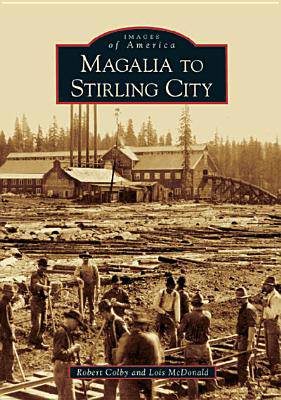
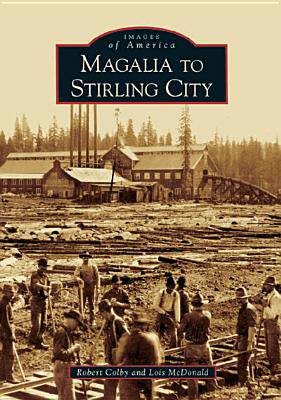
The West Branch of the Feather River in northern Butte County was once a rich mining region. In 1859, an incredible 54-pound gold nugget washed from the flanks of Sawmill Peak, named for the ridge's other main industry, logging. An intricate web of stage roads, and later railroads, linked the little mining and lumber towns that dotted these peaks covered in giant white and ponderosa pine. Steam engines hauled huge logs to mills like the Diamond Match Company, crossing steep canyons on wooden trestles stretched to heart-stopping heights. Some early mining towns like Magalia (once known as Dogtown--site of the gargantuan nugget) and Stirling City, are still there. Others like Nimshew, Lovelock, Toadtown, Powellton, Chaparral, Coutelenc, and Inskip, are ghost towns, inhabiting only the photographs that memorialize their short heyday.
Specificaties
Betrokkenen
- Auteur(s):
- Uitgeverij:
Inhoud
- Aantal bladzijden:
- 128
- Taal:
- Engels
- Reeks:
Eigenschappen
- Productcode (EAN):
- 9780738530185
- Verschijningsdatum:
- 5/10/2005
- Uitvoering:
- Paperback
- Formaat:
- Trade paperback (VS)
- Afmetingen:
- 173 mm x 236 mm
- Gewicht:
- 317 g


Alleen bij Standaard Boekhandel
+ 69 punten op je klantenkaart van Standaard Boekhandel
Cadeau

AANGERADEN


Beoordelingen
We publiceren alleen reviews die voldoen aan de voorwaarden voor reviews. Bekijk onze voorwaarden voor reviews.