


- Afhalen na 1 uur in een winkel met voorraad
- Gratis thuislevering in België vanaf € 30
- Ruim aanbod met 7 miljoen producten
- Afhalen na 1 uur in een winkel met voorraad
- Gratis thuislevering in België vanaf € 30
- Ruim aanbod met 7 miljoen producten





€ 139,95
+ 279 punten
Uitvoering
Omschrijving
Winner of the Frank Watson Book Prize for the best book published on Scottish History
Shortlisted for the Saltire Society History Book of the Year
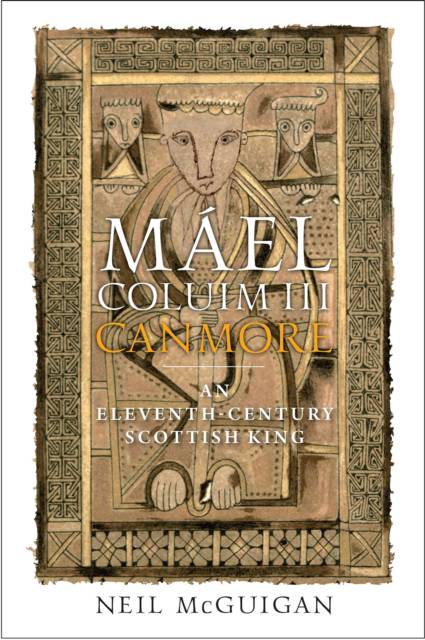
The legendary Scottish king Máel Coluim III, also known as 'Malcolm Canmore', is often held to epitomise Scotland's 'ancient Gaelic kings'. But Máel Coluim and his dynasty were in fact newcomers, and their legitimacy and status were far from secure at the beginning of his rule. Máel Coluim's long reign from 1058 until 1093 coincided with the Norman Conquest of England, a revolutionary event that presented great opportunities and terrible dangers. Although his interventions in post-Conquest England eventually cost him his life, the book argues that they were crucial to his success as both king and dynasty-builder, creating internal stability and facilitating the takeover of Strathclyde and Lothian. As a result, Máel Coluim left to his successors a territory that stretched far to the south of the kingship's heartland north of the Forth, similar to the Scotland we know today.
The book explores the wider political and cultural world in which Máel Coluim lived, guiding the reader through the pitfalls and possibilities offered by the sources that mediate access to that world. Our reliance on so few texts means that the eleventh century poses problems that historians of later eras can avoid. Nevertheless Scotland in Máel Coluim's time generated unprecedented levels of attention abroad and more vernacular literary output than at any time prior to the Stewart era.
Shortlisted for the Saltire Society History Book of the Year
The legendary Scottish king Máel Coluim III, also known as 'Malcolm Canmore', is often held to epitomise Scotland's 'ancient Gaelic kings'. But Máel Coluim and his dynasty were in fact newcomers, and their legitimacy and status were far from secure at the beginning of his rule. Máel Coluim's long reign from 1058 until 1093 coincided with the Norman Conquest of England, a revolutionary event that presented great opportunities and terrible dangers. Although his interventions in post-Conquest England eventually cost him his life, the book argues that they were crucial to his success as both king and dynasty-builder, creating internal stability and facilitating the takeover of Strathclyde and Lothian. As a result, Máel Coluim left to his successors a territory that stretched far to the south of the kingship's heartland north of the Forth, similar to the Scotland we know today.
The book explores the wider political and cultural world in which Máel Coluim lived, guiding the reader through the pitfalls and possibilities offered by the sources that mediate access to that world. Our reliance on so few texts means that the eleventh century poses problems that historians of later eras can avoid. Nevertheless Scotland in Máel Coluim's time generated unprecedented levels of attention abroad and more vernacular literary output than at any time prior to the Stewart era.
Specificaties
Betrokkenen
- Auteur(s):
- Uitgeverij:
Inhoud
- Aantal bladzijden:
- 624
- Taal:
- Engels
Eigenschappen
- Productcode (EAN):
- 9781910900192
- Verschijningsdatum:
- 3/08/2021
- Uitvoering:
- Hardcover
- Formaat:
- Genaaid
- Afmetingen:
- 167 mm x 242 mm
- Gewicht:
- 1192 g


Alleen bij Standaard Boekhandel
+ 279 punten op je klantenkaart van Standaard Boekhandel

Beoordelingen
We publiceren alleen reviews die voldoen aan de voorwaarden voor reviews. Bekijk onze voorwaarden voor reviews.