


- Afhalen na 1 uur in een winkel met voorraad
- Gratis thuislevering in België vanaf € 30
- Ruim aanbod met 7 miljoen producten
- Afhalen na 1 uur in een winkel met voorraad
- Gratis thuislevering in België vanaf € 30
- Ruim aanbod met 7 miljoen producten





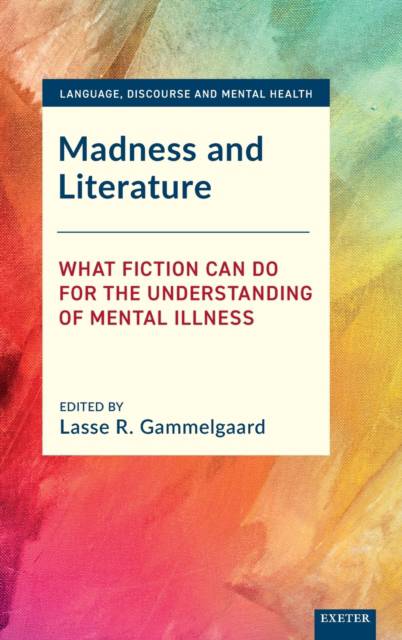
Madness and Literature
What Fiction Can Do for the Understanding of Mental Illness
€ 157,95
+ 315 punten
Omschrijving
Mental illness has been a favourite topic for authors throughout the history of literature, while psychologists and psychiatrists such as Sigmund Freud and Karl Jaspers have in turn been interested in and influenced by literature. Pioneers within philosophy, psychiatry and literature share the endeavour to explore and explain the human mind and behaviour, including what a society deems as being outside perceived normality.
Using a theoretical approach that is eclectic and transdisciplinary, this volume engages with literature's multifarious ways of probing minds and bodies in a state of mental ill health. The cases and the theory are in dialogue with a clinical approach, addressing issues and diagnoses such as trauma, psychosis, bipolar disorder, eating disorders, self-harm, hoarding disorder, PTSD and Digital Sexual Assault.
The chapters in Part I address literary representations of madness with a historical awareness, outlining the socio-political potentials of madness literature. Part II investigates how representations of mental illness in literature can offer unique insights into the subjective experience of alternative states of mind. Part III reflects on how literary cases can be applied to help inform mental health education, how they can be used therapeutically and how they are giving credence to new diagnoses. Throughout the book, the contributors consider how the language and discourses of literature--both stylistically and theoretically--can teach us something new about what it means to be mentally unwell.
Specificaties
Betrokkenen
- Uitgeverij:
Inhoud
- Aantal bladzijden:
- 320
- Taal:
- Engels
- Reeks:
Eigenschappen
- Productcode (EAN):
- 9781905816378
- Verschijningsdatum:
- 4/10/2022
- Uitvoering:
- Hardcover
- Formaat:
- Genaaid
- Afmetingen:
- 156 mm x 234 mm
- Gewicht:
- 639 g

Alleen bij Standaard Boekhandel
+ 315 punten op je klantenkaart van Standaard Boekhandel
Cadeau

AANGERADEN


Beoordelingen
We publiceren alleen reviews die voldoen aan de voorwaarden voor reviews. Bekijk onze voorwaarden voor reviews.