


- Afhalen na 1 uur in een winkel met voorraad
- Gratis thuislevering in België vanaf € 30
- Ruim aanbod met 7 miljoen producten
- Afhalen na 1 uur in een winkel met voorraad
- Gratis thuislevering in België vanaf € 30
- Ruim aanbod met 7 miljoen producten





€ 0,99
Omschrijving
Harland was born in Brooklyn and attended the City College of New York and for a short spell Harvard Divinity School. In May 1884, he married Aline Herminie Merriam, who shared his artistic interests. His literary career falls into two distinct sections. During the first of these, writing under the pseudonym Sidney Luska, he produced a series of highly sensational novels, written with little regard to literary quality. But in 1889 Harland moved to London and fell under the influence of the Aesthetic movement. He began writing under his own name and, in 1894, became the founding editor of The Yellow Book. The short story collections of this new period, A Latin Quarter Courtship (1889), Mademoiselle Miss (1893), Grey Roses (1895), and Comedies and Errors (1898), were praised by critics but had little general popularity. He finally achieved a wide readership with The Cardinal's Snuff-box (1900), which was followed by The Lady Paramount (1901) and My Friend Prospero (1903). His last novel, The Royal End (1909), was incomplete when he died. His wife finished it according to his notes.
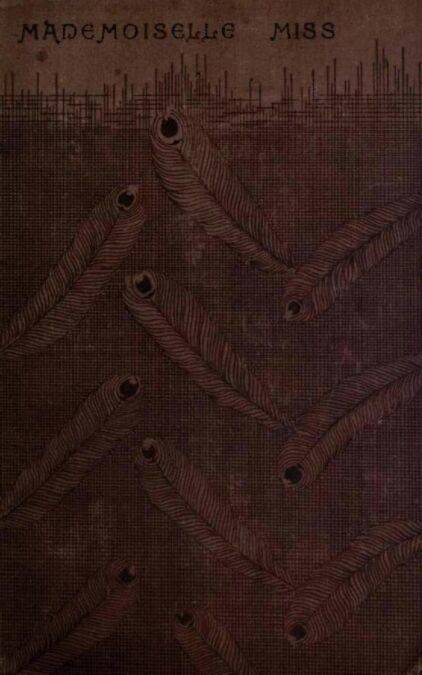
Mademoiselle miss
The funeral march of a marionnette
The prodigal father
A sleeveless errand
A light sovereign
Mademoiselle miss
The funeral march of a marionnette
The prodigal father
A sleeveless errand
A light sovereign
Specificaties
Betrokkenen
- Auteur(s):
- Uitgeverij:
Inhoud
- Aantal bladzijden:
- 169
- Taal:
- Engels
Eigenschappen
- Productcode (EAN):
- 9783736416031
- Verschijningsdatum:
- 7/11/2016
- Uitvoering:
- E-book
- Beveiligd met:
- Digital watermarking
- Formaat:
- ePub


Alleen bij Standaard Boekhandel
Cadeau

AANGERADEN


Beoordelingen
We publiceren alleen reviews die voldoen aan de voorwaarden voor reviews. Bekijk onze voorwaarden voor reviews.