


- Afhalen na 1 uur in een winkel met voorraad
- Gratis thuislevering in België vanaf € 30
- Ruim aanbod met 7 miljoen producten
- Afhalen na 1 uur in een winkel met voorraad
- Gratis thuislevering in België vanaf € 30
- Ruim aanbod met 7 miljoen producten





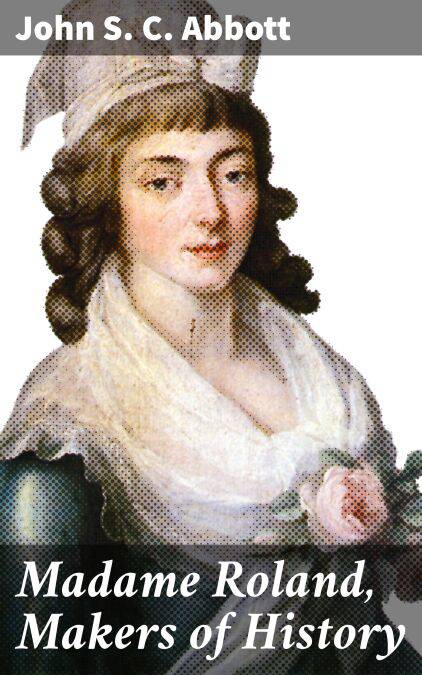
Madame Roland, Makers of History E-BOOK
A Revolutionary Woman: Courage, Conviction, and Intellect in 18th-Century France
John S. C. Abbott
E-book | Engels
€ 0,99
Uitvoering
Omschrijving
In "Madame Roland, Makers of History," John S. C. Abbott delves into the life of one of the French Revolution's pivotal figures, highlighting the complexities of her character and contributions. Written in a narrative style that melds biography with dramatic historical analysis, Abbott paints an evocative portrait of Madame Roland, intertwining personal anecdotes with the tumultuous backdrop of revolutionary France. The book not only chronicles her life and ideals but also serves as a thoughtful commentary on the intersection of gender and politics in a time of societal upheaval, reflecting the Romantic literary movement that sought to give voice to individual experience amidst broader historical currents. John S. C. Abbott was an American historian and biographer, known for his accessible yet insightful explorations of significant figures throughout history. His keen interest in the Enlightenment period and the roles of women in it informed his choice to illuminate Madame Roland, a woman who defied conventional gender roles and became a symbol of intellectual and political fervor during the Revolution. Abbott's previous works often emphasized the significance of moral and ethical philosophies, which resonate throughout this narrative, as he seeks to portray not just Madame Roland's life but also her enduring legacy. This book is highly recommended for readers interested in the intricate interplay between gender and historical narrative, as well as those who seek to deepen their understanding of the French Revolution's social dynamics. Abbott's engaging prose not only captivates but also educates, allowing modern readers to reflect on the impactful role women have played throughout history. "Madame Roland, Makers of History" is both a poignant biography and a critical exploration of a transformative period in history.
Specificaties
Betrokkenen
- Auteur(s):
- Uitgeverij:
Inhoud
- Aantal bladzijden:
- 575
- Taal:
- Engels
Eigenschappen
- Productcode (EAN):
- 4057664566119
- Verschijningsdatum:
- 3/12/2019
- Uitvoering:
- E-book
- Beveiligd met:
- Digital watermarking
- Formaat:
- ePub


Alleen bij Standaard Boekhandel
Cadeau

AANGERADEN


Beoordelingen
We publiceren alleen reviews die voldoen aan de voorwaarden voor reviews. Bekijk onze voorwaarden voor reviews.