


- Afhalen na 1 uur in een winkel met voorraad
- Gratis thuislevering in België vanaf € 30
- Ruim aanbod met 7 miljoen producten
- Afhalen na 1 uur in een winkel met voorraad
- Gratis thuislevering in België vanaf € 30
- Ruim aanbod met 7 miljoen producten





€ 381,95
+ 763 punten
Omschrijving
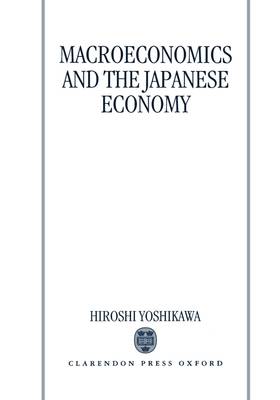
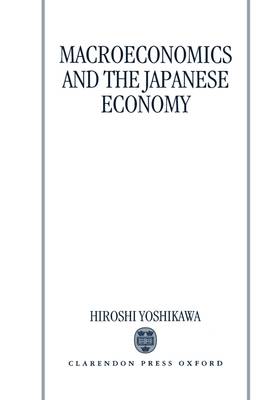
This work proposes a new approach to macroeconomics which draws upon the experience of the Japanese economy. The approach is similar to the Old Keynesian view: it rejects the Walrasian approach, and singles out real demand as the fundamental determinant of output in the economy as a whole. However, by maintaining that real demand constraints are important not only in the short-run, but in the long-run as well, it goes beyond what is normally understood as the Keynesian approach. It is also very different from the New Keynesian Economics; in particular, it regards the rigidity of nominal wages/prices as of secondary importance. The work is extensively illustrated by almost 200 figures and tables of data.
Specificaties
Betrokkenen
- Auteur(s):
- Uitgeverij:
Inhoud
- Aantal bladzijden:
- 496
- Taal:
- Engels
Eigenschappen
- Productcode (EAN):
- 9780198233268
- Verschijningsdatum:
- 1/02/1996
- Uitvoering:
- Hardcover
- Formaat:
- Genaaid
- Afmetingen:
- 156 mm x 234 mm
- Gewicht:
- 866 g


Alleen bij Standaard Boekhandel
+ 763 punten op je klantenkaart van Standaard Boekhandel
Cadeau

AANGERADEN


Beoordelingen
We publiceren alleen reviews die voldoen aan de voorwaarden voor reviews. Bekijk onze voorwaarden voor reviews.