


- Afhalen na 1 uur in een winkel met voorraad
- Gratis thuislevering in België vanaf € 30
- Ruim aanbod met 7 miljoen producten
- Afhalen na 1 uur in een winkel met voorraad
- Gratis thuislevering in België vanaf € 30
- Ruim aanbod met 7 miljoen producten





€ 140,95
+ 281 punten
Omschrijving
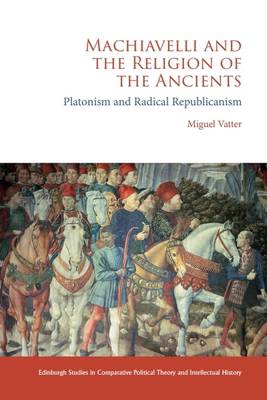
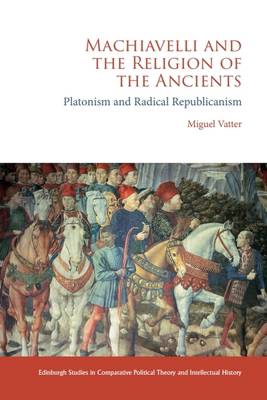
Machiavellianism and Platonism are traditionally opposed, as realism is to idealism, and might is to right. This book questions this opposition, arguing that Machiavelli is far more influenced by Platonism than by Epicureanism. The Platonism at the time of the Medici is marked by the reception of Arabic/Islamic and Byzantine interpretations of Plato. These portray Platonism as an expression of an "ancient theology" that offers an alternative to Christianity by undoing a stark opposition between faith and knowledge; emphasising the political and state-founding role of prophets; affirming the continuity between humans and animals; and defending the rationality of divine and human law. Miguel Vatter contends that from these alternative approaches to Platonism, Machiavelli draws a critique of both the Catholic Church and of Humanism, rejecting their oligarchic tendencies in favour of a radical form of republicanism.
Specificaties
Betrokkenen
- Auteur(s):
- Uitgeverij:
Inhoud
- Aantal bladzijden:
- 360
- Taal:
- Engels
- Reeks:
Eigenschappen
- Productcode (EAN):
- 9781399517829
- Verschijningsdatum:
- 31/07/2026
- Uitvoering:
- Hardcover
- Formaat:
- Genaaid
- Afmetingen:
- 156 mm x 234 mm


Alleen bij Standaard Boekhandel
+ 281 punten op je klantenkaart van Standaard Boekhandel
Cadeau

AANGERADEN


Beoordelingen
We publiceren alleen reviews die voldoen aan de voorwaarden voor reviews. Bekijk onze voorwaarden voor reviews.