


- Afhalen na 1 uur in een winkel met voorraad
- Gratis thuislevering in België vanaf € 30
- Ruim aanbod met 7 miljoen producten
- Afhalen na 1 uur in een winkel met voorraad
- Gratis thuislevering in België vanaf € 30
- Ruim aanbod met 7 miljoen producten





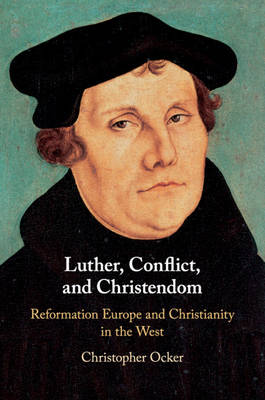
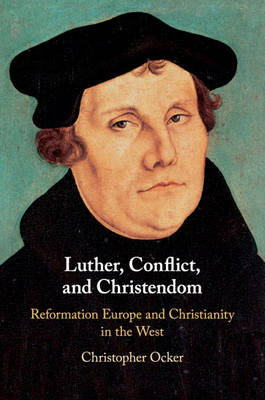
Luther, Conflict, and Christendom
Reformation Europe and Christianity in the West
Christopher Ocker
Paperback | Engels
€ 62,45
+ 124 punten
Eenvoudig bestellen
Veilig betalen


Gratis thuislevering vanaf € 30 (via bpost)
Gratis levering in je Standaard Boekhandel
Omschrijving
Martin Luther - monk, priest, intellectual, or revolutionary - has been a controversial figure since the sixteenth century. Most studies of Luther stress his personality, his ideas, and his ambitions as a church reformer. In this book, Christopher Ocker brings a new perspective to this topic, arguing that the different ways people thought about Luther mattered far more than who he really was. Providing an accessible, highly contextual, and non-partisan introduction, Ocker says that religious conflict itself served as the engine of religious change. He shows that the Luther affair had a complex political anatomy which extended far beyond the borders of Germany, making the debate an international one from the very start. His study links the Reformation to pluralism within western religion and to the coexistence of religions and secularism in today's world. Luther, Conflict, and Christendom includes a detailed chronological chart.
Specificaties
Betrokkenen
- Auteur(s):
- Uitgeverij:
Inhoud
- Aantal bladzijden:
- 540
- Taal:
- Engels
Eigenschappen
- Productcode (EAN):
- 9781316647844
- Verschijningsdatum:
- 27/02/2020
- Uitvoering:
- Paperback
- Formaat:
- Trade paperback (VS)
- Afmetingen:
- 152 mm x 229 mm
- Gewicht:
- 784 g


Alleen bij Standaard Boekhandel
+ 124 punten op je klantenkaart van Standaard Boekhandel
CADEAU

AANGERADEN


Beoordelingen
We publiceren alleen reviews die voldoen aan de voorwaarden voor reviews. Bekijk onze voorwaarden voor reviews.