


- Afhalen na 1 uur in een winkel met voorraad
- Gratis thuislevering in België vanaf € 30
- Ruim aanbod met 7 miljoen producten
- Afhalen na 1 uur in een winkel met voorraad
- Gratis thuislevering in België vanaf € 30
- Ruim aanbod met 7 miljoen producten





€ 80,95
+ 161 punten
Omschrijving
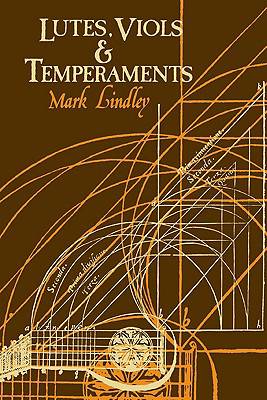
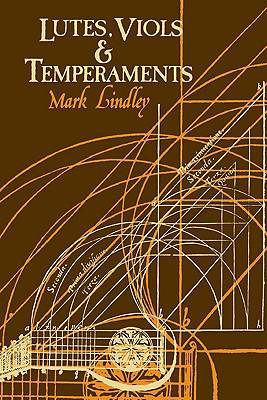
To tune a lute or viol really well one must see to the exact spacing of the frets tied round the neck of the instrument. In this authoritative work Mark Lindley surveys different approaches to the problem as described from the 1520s to the 1740s by a variety of writers. Attention is given to some distinguished composers (Milán, Dowland, Monteverdi, Marais) and to some seminal figures in the early history of modern science (V. Galilei, Mersenne, Lord Brouncker) as well as to a number of encyclopaedic or didactic writers on music (Gerle, Bermudo, Ganassi, Zarlino, Praetorius). The book includes practical instructions, conclusions about renaissance and baroque performing practices, and a substantial appendix by Gerhard C. Söhne on the historical use of proportions and geometric curves in lute design.
Specificaties
Betrokkenen
- Auteur(s):
- Uitgeverij:
Inhoud
- Aantal bladzijden:
- 144
- Taal:
- Engels
Eigenschappen
- Productcode (EAN):
- 9780521288835
- Verschijningsdatum:
- 14/06/1984
- Uitvoering:
- Paperback
- Formaat:
- Trade paperback (VS)
- Afmetingen:
- 152 mm x 229 mm
- Gewicht:
- 222 g


Alleen bij Standaard Boekhandel
+ 161 punten op je klantenkaart van Standaard Boekhandel
Cadeau

AANGERADEN


Beoordelingen
We publiceren alleen reviews die voldoen aan de voorwaarden voor reviews. Bekijk onze voorwaarden voor reviews.