



Bedankt voor het vertrouwen het afgelopen jaar! Om jou te bedanken bieden we GRATIS verzending (in België) aan op alles gedurende de hele maand januari.
- Afhalen na 1 uur in een winkel met voorraad
- In januari gratis thuislevering in België
- Ruim aanbod met 7 miljoen producten
Bedankt voor het vertrouwen het afgelopen jaar! Om jou te bedanken bieden we GRATIS verzending (in België) aan op alles gedurende de hele maand januari.
- Afhalen na 1 uur in een winkel met voorraad
- In januari gratis thuislevering in België
- Ruim aanbod met 7 miljoen producten





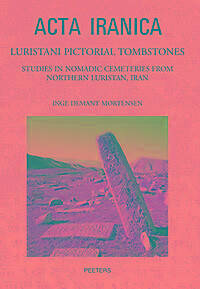
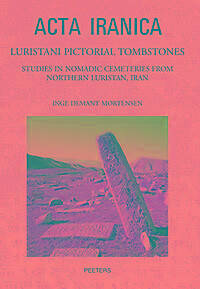
Luristani Pictorial Tombstones
Studies in Nomadic Cemeteries from Northern Luristan, Iran
I Demant Mortensen
€ 182,45
+ 364 punten
Omschrijving
From the late 18th to the early 20th century northern Luristan was dominated by feuding tribal leaders, more or less independent of the Qadjar State. The religious concepts of the illiterate Luristani nomads of this period are reflected in the iconography of the pictorial tombstones. Inge Demant Mortensen's book on the Luristani Pictorial Tombstones is primarily based on her studies of the nomadic cemeteries during her fieldwork in Luristan in the 1970s. Her focus is on the testimony of the pictorial tombstones and the religious messages and connotations they reveal. As a background for the interpretation of these messages she makes an attempt to establish the historical, social, and religious context of the cemeteries, and to identify the tribal identity of the nomads residing or moving from winter to summer pastures within the plains and valleys of northern Luristan, where the pictorial stelae and obelisks occur.
Specificaties
Betrokkenen
- Auteur(s):
- Uitgeverij:
Inhoud
- Aantal bladzijden:
- 232
- Taal:
- Engels
- Reeks:
- Reeksnummer:
- nr. 47
Eigenschappen
- Productcode (EAN):
- 9789042921412
- Verschijningsdatum:
- 16/04/2010
- Uitvoering:
- Hardcover
- Formaat:
- Genaaid
- Afmetingen:
- 163 mm x 246 mm
- Gewicht:
- 589 g


Alleen bij Standaard Boekhandel
+ 364 punten op je klantenkaart van Standaard Boekhandel
SOLDEN


Beoordelingen
We publiceren alleen reviews die voldoen aan de voorwaarden voor reviews. Bekijk onze voorwaarden voor reviews.