



Bedankt voor het vertrouwen het afgelopen jaar! Om jou te bedanken bieden we GRATIS verzending (in België) aan op alles gedurende de hele maand januari.
- Afhalen na 1 uur in een winkel met voorraad
- In januari gratis thuislevering in België
- Ruim aanbod met 7 miljoen producten
Bedankt voor het vertrouwen het afgelopen jaar! Om jou te bedanken bieden we GRATIS verzending (in België) aan op alles gedurende de hele maand januari.
- Afhalen na 1 uur in een winkel met voorraad
- In januari gratis thuislevering in België
- Ruim aanbod met 7 miljoen producten





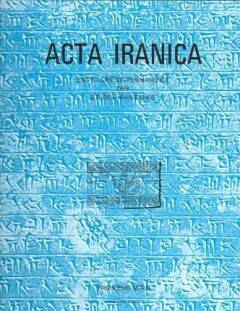
Luristan Excavation Documents Vol. V
The Iron Age III Graveyard at War Kabud, Pusht-I Kuh, Luristan
E Haerinck, B Overlaet
€ 191,95
+ 383 punten
Omschrijving
This monograph is the final report of the excavation of the War Kabud graveyard in Luristan, Iran, by the University of Ghent and the Royal Museums of Art and History, Brussels. The excavations, directed by Louis Vanden Berghe, were conducted in 1965 and 1966. War Kabud represents the largest number of excavated tombs (203) in a single Pusht-i Kuh cemetery. Dating back to the Iron Age III (8th-7th c. BCE), it is a representative assemblage of burialgoods and testifies of the homogeneity of the material culture of that period. Burials are individual and the dead were usually accompanied by pottery and quite often also by iron weapons (arrowheads, swords and daggers, spearheads, axes), bronze maces, vessels, anklets, bracelets and a variety of beads. The site, although essentially with a local material culture, shows some relations with Assyria. All finds are illustrated in line drawings, the tombs and the main objects also in photographs.
Specificaties
Betrokkenen
- Auteur(s):
- Uitgeverij:
Inhoud
- Aantal bladzijden:
- 298
- Taal:
- Engels
- Reeks:
- Reeksnummer:
- nr. 27
Eigenschappen
- Productcode (EAN):
- 9789042915503
- Verschijningsdatum:
- 31/12/2004
- Uitvoering:
- Hardcover
- Formaat:
- Genaaid
- Gewicht:
- 1840 g


Alleen bij Standaard Boekhandel
+ 383 punten op je klantenkaart van Standaard Boekhandel
SOLDEN


Beoordelingen
We publiceren alleen reviews die voldoen aan de voorwaarden voor reviews. Bekijk onze voorwaarden voor reviews.