


- Afhalen na 1 uur in een winkel met voorraad
- Gratis thuislevering in België vanaf € 30
- Ruim aanbod met 7 miljoen producten
- Afhalen na 1 uur in een winkel met voorraad
- Gratis thuislevering in België vanaf € 30
- Ruim aanbod met 7 miljoen producten





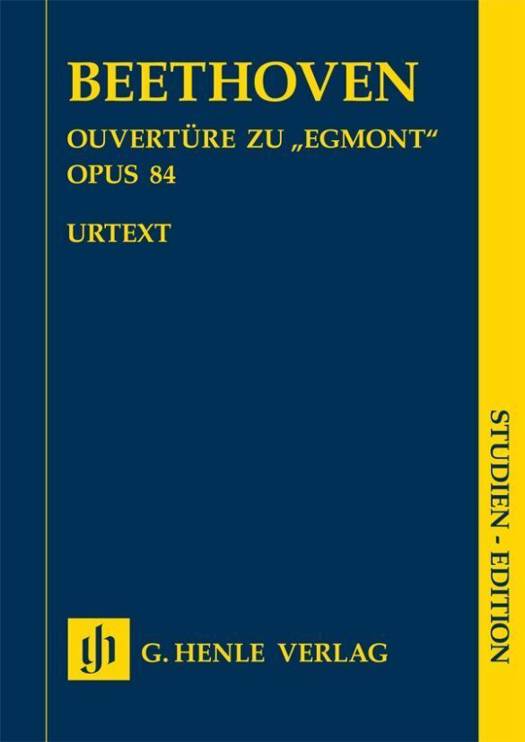
Ludwig van Beethoven - Ouvertüre zu "Egmont" op. 84
Besetzung: Orchester
€ 12,95
+ 25 punten
Omschrijving
When Beethoven received a commission from Vienna's Burgtheater to compose stage music for Goethe's tragedy Egmont in 1809, he viewed it as a great honour. The impetus would have been all the stronger since the drama, about a Dutch nobleman who falls victim to a plot by a Spanish ruler, from the outset provided for music at several points. Beethoven repeatedly declared later on that he had received no honorarium from the theatre's management, but had written the music "solely out of love for the poet". The overture became separated from the rest of the incidental music very early on; it was separately published and soon performed as a concert piece independent of the stage tragedy. We now issue it as a study score based on the text of the Beethoven Complete Edition, and with a new preface.
Specificaties
Betrokkenen
- Uitgeverij:
Inhoud
- Taal:
- Frans, Engels, Duits
- Reeks:
Eigenschappen
- Productcode (EAN):
- 9790201890432
- Uitvoering:
- Paperback
- Afmetingen:
- 170 mm x 240 mm
- Gewicht:
- 119 g

Alleen bij Standaard Boekhandel
+ 25 punten op je klantenkaart van Standaard Boekhandel
CADEAU

AANGERADEN


Beoordelingen
We publiceren alleen reviews die voldoen aan de voorwaarden voor reviews. Bekijk onze voorwaarden voor reviews.