


- Afhalen na 1 uur in een winkel met voorraad
- Gratis thuislevering in België vanaf € 30
- Ruim aanbod met 7 miljoen producten
- Afhalen na 1 uur in een winkel met voorraad
- Gratis thuislevering in België vanaf € 30
- Ruim aanbod met 7 miljoen producten





Omschrijving
KynochLudvig Holberg (1684–1754) is to Danish theatre what Shakespeare, Molière and Strindberg are to their national stages – and the world stage. During his lifetime, Holberg was a major figure in European literature and thought. In the Nordic region, his work forms the backdrop to writers such as Søren Kierkegaard, Hans Christian Andersen, Henrik Ibsen and Karen Blixen. The quality of Holberg's writings, the universality of his themes, his understanding of stage and auditorium all more than qualify him to resume his role on the international stage.
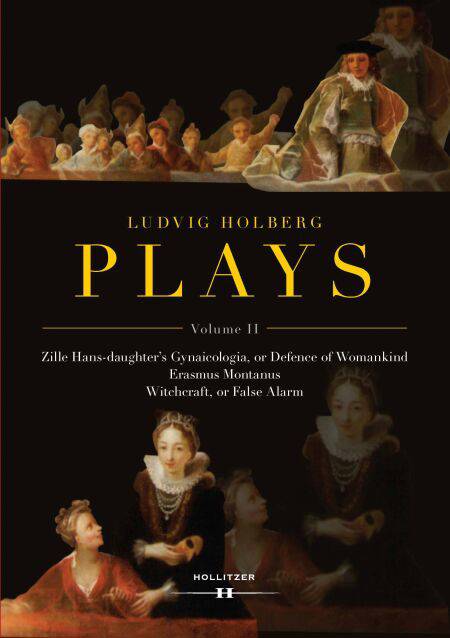
This second volume in a series of new translations presents Holberg's radical defence of women's equal right to education and employment, and two of his witty plays about playing roles, the professional and the self-delusional alike, in life and in the theatre.
"Zille Hans-daughter's Gynaicologia, or Defence of Womankind" is a sparkling, witty and bitingly satirical poem 'penned by' a young woman named Zille, the teenage daughter of Hans, in which she dissects the absurdity of male dominance and the patriarchal society.
"Erasmus Montanus" follows the self-titled, self-delusional, city-slicker university student (real name: Rasmus Berg) on a visit to the small rural community where he grew up. His arrogant and know-all behaviour throws everyone and everything into outrageous turmoil. The play is a caustic satire about what happens when abstract, unworldly scholarship collides with real life and material needs.
In "Witchcraft, or False Alarm", actors in the theatre troupe working in a dormant provincial town are rumoured to be dangerous Satanists. The entire community erupts in a frenzy of terrified conspiracy theory paranoia, reaching the brink of violence before the misunderstanding is cleared up: the overheard 'pact with the Devil' was simply an actor rehearsing his role in a play he hoped would make some money for the empty theatre coffers.
"I never tire of reading Holberg's plays."
(Henrik Ibsen, 1869)
This second volume in a series of new translations presents Holberg's radical defence of women's equal right to education and employment, and two of his witty plays about playing roles, the professional and the self-delusional alike, in life and in the theatre.
"Zille Hans-daughter's Gynaicologia, or Defence of Womankind" is a sparkling, witty and bitingly satirical poem 'penned by' a young woman named Zille, the teenage daughter of Hans, in which she dissects the absurdity of male dominance and the patriarchal society.
"Erasmus Montanus" follows the self-titled, self-delusional, city-slicker university student (real name: Rasmus Berg) on a visit to the small rural community where he grew up. His arrogant and know-all behaviour throws everyone and everything into outrageous turmoil. The play is a caustic satire about what happens when abstract, unworldly scholarship collides with real life and material needs.
In "Witchcraft, or False Alarm", actors in the theatre troupe working in a dormant provincial town are rumoured to be dangerous Satanists. The entire community erupts in a frenzy of terrified conspiracy theory paranoia, reaching the brink of violence before the misunderstanding is cleared up: the overheard 'pact with the Devil' was simply an actor rehearsing his role in a play he hoped would make some money for the empty theatre coffers.
"I never tire of reading Holberg's plays."
(Henrik Ibsen, 1869)
Specificaties
Betrokkenen
- Vertaler(s):
- Uitgeverij:
Inhoud
- Aantal bladzijden:
- 208
- Taal:
- Engels
Eigenschappen
- Productcode (EAN):
- 9783990940341
- Verschijningsdatum:
- 11/12/2022
- Uitvoering:
- E-book
- Beveiligd met:
- Digital watermarking
- Formaat:


Alleen bij Standaard Boekhandel
+ 34 punten op je klantenkaart van Standaard Boekhandel
Cadeau

AANGERADEN


Beoordelingen
We publiceren alleen reviews die voldoen aan de voorwaarden voor reviews. Bekijk onze voorwaarden voor reviews.