



- Afhalen na 1 uur in een winkel met voorraad
- In januari gratis thuislevering in België
- Ruim aanbod met 7 miljoen producten
- Afhalen na 1 uur in een winkel met voorraad
- In januari gratis thuislevering in België
- Ruim aanbod met 7 miljoen producten





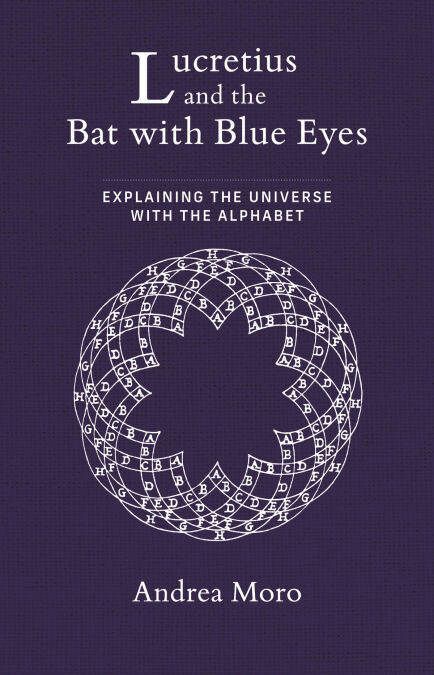
Lucretius and the Bat with Blue Eyes E-BOOK
Explaining the Universe with the Alphabet
Andrea Moro
E-book | Engels
€ 19,71
+ 19 punten
Omschrijving
A novel reading of De rerum natura through the lens of neurolinguistics.
In the poem De rerum natura, written in the first century BC, Lucretius set out to explain the atomic theory of the universe and the triumph of reason over superstition to a Roman audience. In Lucretius and the Bat with Blue Eyes, a collection and critical translation of every passage on language in this great classic, renowned neurolinguist and novelist Andrea Moro explores the role of the human language and specifically the generative capacity of the alphabet to reach this goal.
In Moro’s reading, De rerum natura treats the birth of language as a case study in distinguishing humans from other animals, anticipating some key concepts of the theory of evolution, in both Darwinian and molecular terms. The book considers the major commentaries on Lucretius’s work, both ancient and modern, and concludes by looking at a recently discovered letter by Descartes that addresses the idea of a “perfect language.”
Focusing on a challenging yet highly poetic text and grounded in the ideas of neuroscience and linguistics, Moro’s book is also a deeply personal document, ultimately addressing the role of reason on contrasting human suffering.
In the poem De rerum natura, written in the first century BC, Lucretius set out to explain the atomic theory of the universe and the triumph of reason over superstition to a Roman audience. In Lucretius and the Bat with Blue Eyes, a collection and critical translation of every passage on language in this great classic, renowned neurolinguist and novelist Andrea Moro explores the role of the human language and specifically the generative capacity of the alphabet to reach this goal.
In Moro’s reading, De rerum natura treats the birth of language as a case study in distinguishing humans from other animals, anticipating some key concepts of the theory of evolution, in both Darwinian and molecular terms. The book considers the major commentaries on Lucretius’s work, both ancient and modern, and concludes by looking at a recently discovered letter by Descartes that addresses the idea of a “perfect language.”
Focusing on a challenging yet highly poetic text and grounded in the ideas of neuroscience and linguistics, Moro’s book is also a deeply personal document, ultimately addressing the role of reason on contrasting human suffering.
Specificaties
Betrokkenen
- Auteur(s):
- Uitgeverij:
Inhoud
- Aantal bladzijden:
- 144
- Taal:
- Engels
Eigenschappen
- Productcode (EAN):
- 9780262385657
- Verschijningsdatum:
- 6/10/2025
- Uitvoering:
- E-book
- Beveiligd met:
- Adobe DRM
- Formaat:
- ePub


Alleen bij Standaard Boekhandel
+ 19 punten op je klantenkaart van Standaard Boekhandel
Cadeau

AANGERADEN


Beoordelingen
We publiceren alleen reviews die voldoen aan de voorwaarden voor reviews. Bekijk onze voorwaarden voor reviews.