


- Afhalen na 1 uur in een winkel met voorraad
- Gratis thuislevering in België vanaf € 30
- Ruim aanbod met 7 miljoen producten
- Afhalen na 1 uur in een winkel met voorraad
- Gratis thuislevering in België vanaf € 30
- Ruim aanbod met 7 miljoen producten





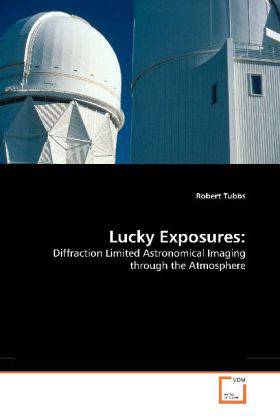
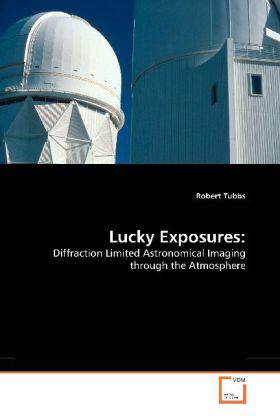
Lucky Exposures
Diffraction Limited Astronomical Imaging through the Atmosphere
Robert Tubbs
Paperback | Engels
€ 58,45
+ 116 punten
Omschrijving
This monograph describes the "Lucky" imaging method developed at the University of Cambridge between 1999 and 2003. This technique allows the distorting effects of the Earth's atmosphere to be reduced, so that high resolution images of astronomical sources can be captured. The Lucky Exposures method is passive, relying on a high frame-rate camera in the image plane of a telescope to record the atmospheric speckle patterns. In the past the poor signal-to-noise performance of high frame-rate cameras has often limited passive high-resolution observations to relatively bright targets. Through a combination of novel processing techniques and new L3Vision camera technology, the Lucky Exposures method can now image much fainter targets. Details of these processing techniques and an assessment of the L3Vision performance are presented in this monograph. From good astronomical observatories, up to one quarter of the night sky is within range of a suitable reference star for this technique. The processing techniques described are applicable to data taken with a wide range of astronomical instruments, including observations using webcams on small- to medium-sized telescopes.
Specificaties
Betrokkenen
- Auteur(s):
- Uitgeverij:
Inhoud
- Aantal bladzijden:
- 156
- Taal:
- Engels
Eigenschappen
- Productcode (EAN):
- 9783836497695
- Uitvoering:
- Paperback
- Afmetingen:
- 220
- Gewicht:
- 218 g


Alleen bij Standaard Boekhandel
+ 116 punten op je klantenkaart van Standaard Boekhandel
Cadeau

AANGERADEN


Beoordelingen
We publiceren alleen reviews die voldoen aan de voorwaarden voor reviews. Bekijk onze voorwaarden voor reviews.