


- Afhalen na 1 uur in een winkel met voorraad
- Gratis thuislevering in België vanaf € 30
- Ruim aanbod met 7 miljoen producten
- Afhalen na 1 uur in een winkel met voorraad
- Gratis thuislevering in België vanaf € 30
- Ruim aanbod met 7 miljoen producten





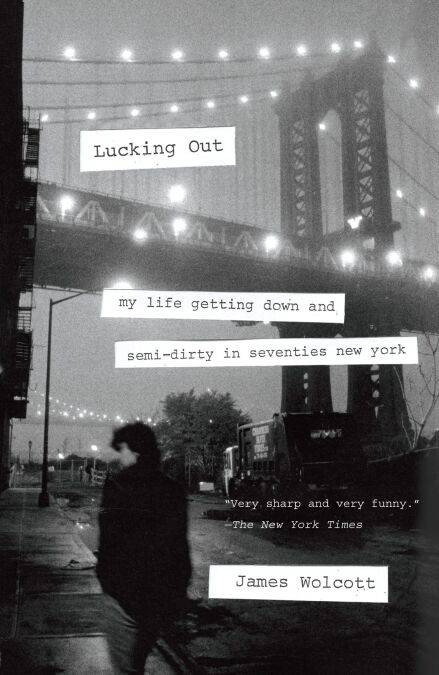
Lucking Out E-BOOK
My Life Getting Down and Semi-Dirty in the Seventies
James Wolcott
E-book | Engels
€ 11,55
+ 11 punten
Omschrijving
"How lucky I was, arriving in New York just as everything was about to go to hell.”
That would be in the autumn of 1972, when a very young and green James Wolcott arrived from Maryland, full of literary dreams, equipped with a letter of introduction from Norman Mailer, and having no idea what was about to hit him. Landing at a time of accelerating municipal squalor and, paradoxically, gathering cultural energy in all spheres as “Downtown” became a category of art and life unto itself, he embarked upon his sentimental education, seventies New York style.
This portrait of a critic as a young man is also a rollicking, acutely observant portrait of a legendary time and place. Wolcott was taken up by fabled film critic Pauline Kael as one of her “Paulettes” and witnessed the immensely vital film culture of the period. He became an early observer-participant in the nascent punk scene at CBGB, mixing with Patti Smith, Lester Bangs, and Tom Verlaine. As a Village Voice writer he got an eyeful of the literary scene when such giants as Mailer, Gore Vidal, and George Plimpton strode the earth, and writing really mattered.
A beguiling mixture of Kafka Was the Rage and Please Kill Me, this memoir is a sharp-eyed rendering, at once intimate and shrewdly distanced, of a fabled milieu captured just before it slips into myth. Mixing grit and glitter in just the right proportions, suffused with affection for the talented and sometimes half-crazed denizens of the scene, it will make readers long for a time when you really could get mugged around here.
BONUS MATERIAL: This ebook includes an excerpt from James Wolcott's Critical Mass.
That would be in the autumn of 1972, when a very young and green James Wolcott arrived from Maryland, full of literary dreams, equipped with a letter of introduction from Norman Mailer, and having no idea what was about to hit him. Landing at a time of accelerating municipal squalor and, paradoxically, gathering cultural energy in all spheres as “Downtown” became a category of art and life unto itself, he embarked upon his sentimental education, seventies New York style.
This portrait of a critic as a young man is also a rollicking, acutely observant portrait of a legendary time and place. Wolcott was taken up by fabled film critic Pauline Kael as one of her “Paulettes” and witnessed the immensely vital film culture of the period. He became an early observer-participant in the nascent punk scene at CBGB, mixing with Patti Smith, Lester Bangs, and Tom Verlaine. As a Village Voice writer he got an eyeful of the literary scene when such giants as Mailer, Gore Vidal, and George Plimpton strode the earth, and writing really mattered.
A beguiling mixture of Kafka Was the Rage and Please Kill Me, this memoir is a sharp-eyed rendering, at once intimate and shrewdly distanced, of a fabled milieu captured just before it slips into myth. Mixing grit and glitter in just the right proportions, suffused with affection for the talented and sometimes half-crazed denizens of the scene, it will make readers long for a time when you really could get mugged around here.
BONUS MATERIAL: This ebook includes an excerpt from James Wolcott's Critical Mass.
Specificaties
Betrokkenen
- Auteur(s):
- Uitgeverij:
Inhoud
- Aantal bladzijden:
- 224
- Taal:
- Engels
Eigenschappen
- Productcode (EAN):
- 9780385534994
- Verschijningsdatum:
- 24/10/2011
- Uitvoering:
- E-book
- Beveiligd met:
- Adobe DRM
- Formaat:
- ePub



Alleen bij Standaard Boekhandel
+ 11 punten op je klantenkaart van Standaard Boekhandel
CADEAU

AANGERADEN


Beoordelingen
We publiceren alleen reviews die voldoen aan de voorwaarden voor reviews. Bekijk onze voorwaarden voor reviews.