


- Afhalen na 1 uur in een winkel met voorraad
- Gratis thuislevering in België vanaf € 30
- Ruim aanbod met 7 miljoen producten
- Afhalen na 1 uur in een winkel met voorraad
- Gratis thuislevering in België vanaf € 30
- Ruim aanbod met 7 miljoen producten





€ 59,99
+ 119 punten
Eenvoudig bestellen
Veilig betalen


Gratis thuislevering vanaf € 30 (via bpost)
Gratis levering in je Standaard Boekhandel
Omschrijving
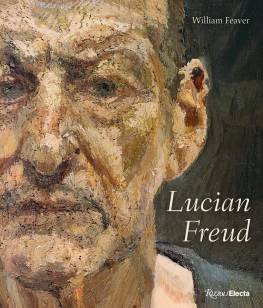
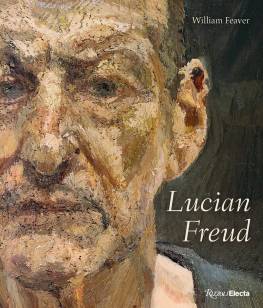
This volume, with more than 400 reproductions, will be the most comprehensive publication to date on Lucian Freud, covering a span of seventy years and including many works not previously reproduced. The result is a corpus of great works that reveal him to be the premier heir today of Rembrandt, Courbet, and Cézanne. The book includes not only Freud's paintings but also his sketches, woodcuts, and powerful etchings. While the bulk of his paintings are female nudes, his cityscapes, plant studies, and interiors, executed in his distinctive muted palette and visible brushwork, are all included. Freud, who has lived in London ever since his family left Berlin in 1933 when he was ten, has achieved preeminence through his ruthless perception of the human form. His importance has long been recognized in England, but his present super-celebrity status dates from a retrospective at the Hirshhorn in Washington, D.C., in 1987. William Feaver, painter and for many years art critic for The Observer, provides a unique account of Freud's preoccupations and achievement. Startling, moving, profoundly entertaining, the book lives up to Freud's advice to students when getting them to paint self-portraits: "To try and make it the most revealing, telling, and believable object. Something really shameless, you know."
Specificaties
Betrokkenen
- Auteur(s):
- Uitgeverij:
Inhoud
- Aantal bladzijden:
- 508
- Taal:
- Engels
Eigenschappen
- Productcode (EAN):
- 9780847876228
- Verschijningsdatum:
- 10/03/2026
- Uitvoering:
- Hardcover
- Formaat:
- Genaaid
- Afmetingen:
- 216 mm x 254 mm
- Gewicht:
- 566 g


Alleen bij Standaard Boekhandel
+ 119 punten op je klantenkaart van Standaard Boekhandel
CADEAU

AANGERADEN


Beoordelingen
We publiceren alleen reviews die voldoen aan de voorwaarden voor reviews. Bekijk onze voorwaarden voor reviews.