


- Afhalen na 1 uur in een winkel met voorraad
- Gratis thuislevering in België vanaf € 30
- Ruim aanbod met 7 miljoen producten
- Afhalen na 1 uur in een winkel met voorraad
- Gratis thuislevering in België vanaf € 30
- Ruim aanbod met 7 miljoen producten





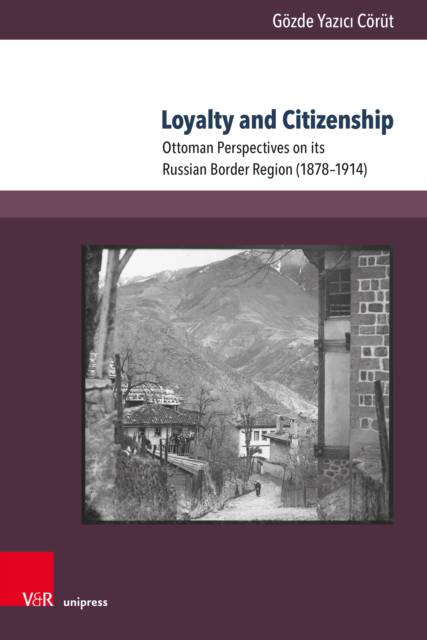
Loyalty and Citizenship
Ottoman Perspectives on Its Russian Border Region (1878-1914)
Gozde Yazici Corut
€ 48,45
+ 96 punten
Omschrijving
Gozde Yazici Corut unfolds the details of everyday life and represents the local people as active agents - active, moreover, in relation both to the changing nature and effectiveness of the Ottoman state's assertion of territorial authority and also to the differences between policies and practices of the Russian and Ottoman Empires. Overall, she focuses on the end-of-empire border politics and the issue of Ottoman citizenship not only from the perspective of macro-level political developments and central state power but also in terms of the peripheral specificities of administration and the movements and subjecthood choices of people inhabiting the Russo-Ottoman borderland. The author presents a new type of multi-faceted account of borderland development in which ethno-religious considerations came to inform a somewhat messy production of sovereignty in the context of the modernizing transition between empire and nation-state.
Specificaties
Betrokkenen
- Auteur(s):
- Uitgeverij:
Inhoud
- Aantal bladzijden:
- 217
- Taal:
- Engels
- Reeks:
- Reeksnummer:
- nr. 6
Eigenschappen
- Productcode (EAN):
- 9783847113195
- Verschijningsdatum:
- 6/12/2021
- Uitvoering:
- Hardcover
- Formaat:
- Genaaid
- Afmetingen:
- 154 mm x 231 mm
- Gewicht:
- 4975 g


Alleen bij Standaard Boekhandel
+ 96 punten op je klantenkaart van Standaard Boekhandel
Cadeau

AANGERADEN


Beoordelingen
We publiceren alleen reviews die voldoen aan de voorwaarden voor reviews. Bekijk onze voorwaarden voor reviews.