


- Afhalen na 1 uur in een winkel met voorraad
- Gratis thuislevering in België vanaf € 30
- Ruim aanbod met 7 miljoen producten
- Afhalen na 1 uur in een winkel met voorraad
- Gratis thuislevering in België vanaf € 30
- Ruim aanbod met 7 miljoen producten





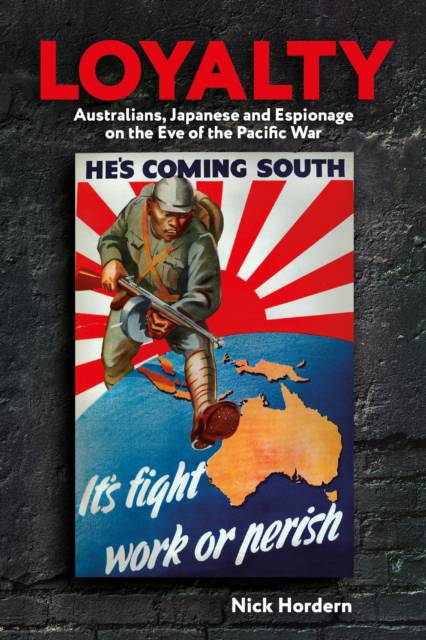
Loyalty
Australians, Japanese and Espionage on the eve of the Pacific War
Nick Hordern
Paperback | Engels
€ 34,95
+ 69 punten
Omschrijving
In the years before Pearl Harbor, Australian authorities were convinced that large numbers of the Japanese diplomatic and business community were spying, and that many of their Australian associates were helping them. Certainly, some Japanese avidly harvested information that was publicly available, and some Australians helped them to do so - but there's no evidence that either stole actual military secrets. Targeting Australians deemed security threats, the authorities relied on subjective judgements about people's 'loyalty' to decide whether they should be sanctioned. Nor did such suspicions about 'loyalty' die away at the War's end; the belief that prominent Australians had acted as collaborators, and had been prepared to welcome a Japanese invasion, persisted for decades. Drawing on previously unexamined evidence, this book argues that these beliefs emerged from a baseless conspiracy theory.
Specificaties
Betrokkenen
- Auteur(s):
- Uitgeverij:
Inhoud
- Aantal bladzijden:
- 322
- Taal:
- Engels
Eigenschappen
- Productcode (EAN):
- 9781923267541
- Verschijningsdatum:
- 14/01/2026
- Uitvoering:
- Paperback
- Formaat:
- Trade paperback (VS)
- Afmetingen:
- 152 mm x 229 mm
- Gewicht:
- 433 g



Alleen bij Standaard Boekhandel
+ 69 punten op je klantenkaart van Standaard Boekhandel
Cadeau

AANGERADEN


Beoordelingen
We publiceren alleen reviews die voldoen aan de voorwaarden voor reviews. Bekijk onze voorwaarden voor reviews.