


- Afhalen na 1 uur in een winkel met voorraad
- Gratis thuislevering in België vanaf € 30
- Ruim aanbod met 7 miljoen producten
- Afhalen na 1 uur in een winkel met voorraad
- Gratis thuislevering in België vanaf € 30
- Ruim aanbod met 7 miljoen producten





€ 124,45
+ 248 punten
Uitvoering
Omschrijving
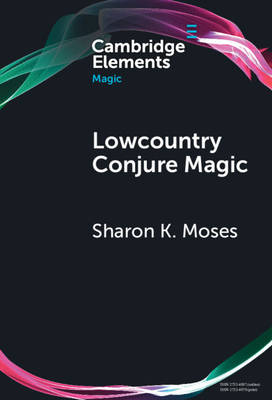
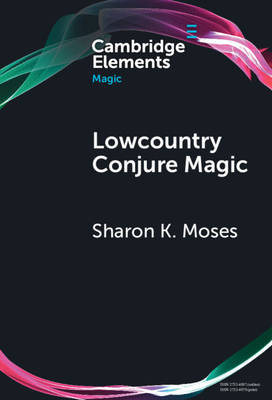
Cat Island, South Carolina, was once the location of slave trade activities, including capture of Native Americans for export and the rise of plantations in the Lowcountry for indigo and rice production, from the sixteenth to mid-nineteenth centuries. This Element examines the Hume Plantation Slave Street Project led by the author, and archaeological evidence for hoodoo magic and ritual practices involving "white magic" spells used for protection and treatments for illness and injury, and, alternately, for 'black magic, ' in spells used to exact harm or to kill. This Element is intended as a contribution to the collective knowledge about hoodoo magic practices in the Lowcountry, centered on the Hume Plantation grounds during this period of American history. It is an attempt to examine how attitudes and practices may have changed over time and concludes with a look at select contemporary hoodoo activities conducted in local cemeteries.
Specificaties
Betrokkenen
- Auteur(s):
- Uitgeverij:
Inhoud
- Aantal bladzijden:
- 84
- Taal:
- Engels
- Reeks:
Eigenschappen
- Productcode (EAN):
- 9781009539395
- Verschijningsdatum:
- 30/01/2025
- Uitvoering:
- Hardcover
- Formaat:
- Genaaid
- Afmetingen:
- 152 mm x 229 mm
- Gewicht:
- 285 g


Alleen bij Standaard Boekhandel
+ 248 punten op je klantenkaart van Standaard Boekhandel
Cadeau

AANGERADEN


Beoordelingen
We publiceren alleen reviews die voldoen aan de voorwaarden voor reviews. Bekijk onze voorwaarden voor reviews.